All treatments

Ventricular Tachycardia Ablation

What is Ventricular Tachycardia

Ventricular tachycardia (VT) is a fast heart rhythm that starts in the lower chambers of the heart — the ventricles. It can range from brief episodes that cause little more than a pounding sensation in the chest, to sustained rhythms that cause dizziness, blackouts, or - in more serious cases - become life-threatening. If you have been diagnosed with VT, getting specialist assessment and treatment promptly is important.

Catheter ablation for VT is recommended by the European Society of Cardiology as an effective treatment for patients with recurrent VT, particularly where episodes are frequent, where medications have not provided sufficient control, or where repeated ICD shocks are occurring. In the right patients, ablation can significantly reduce or eliminate VT episodes and dramatically improve quality of life.


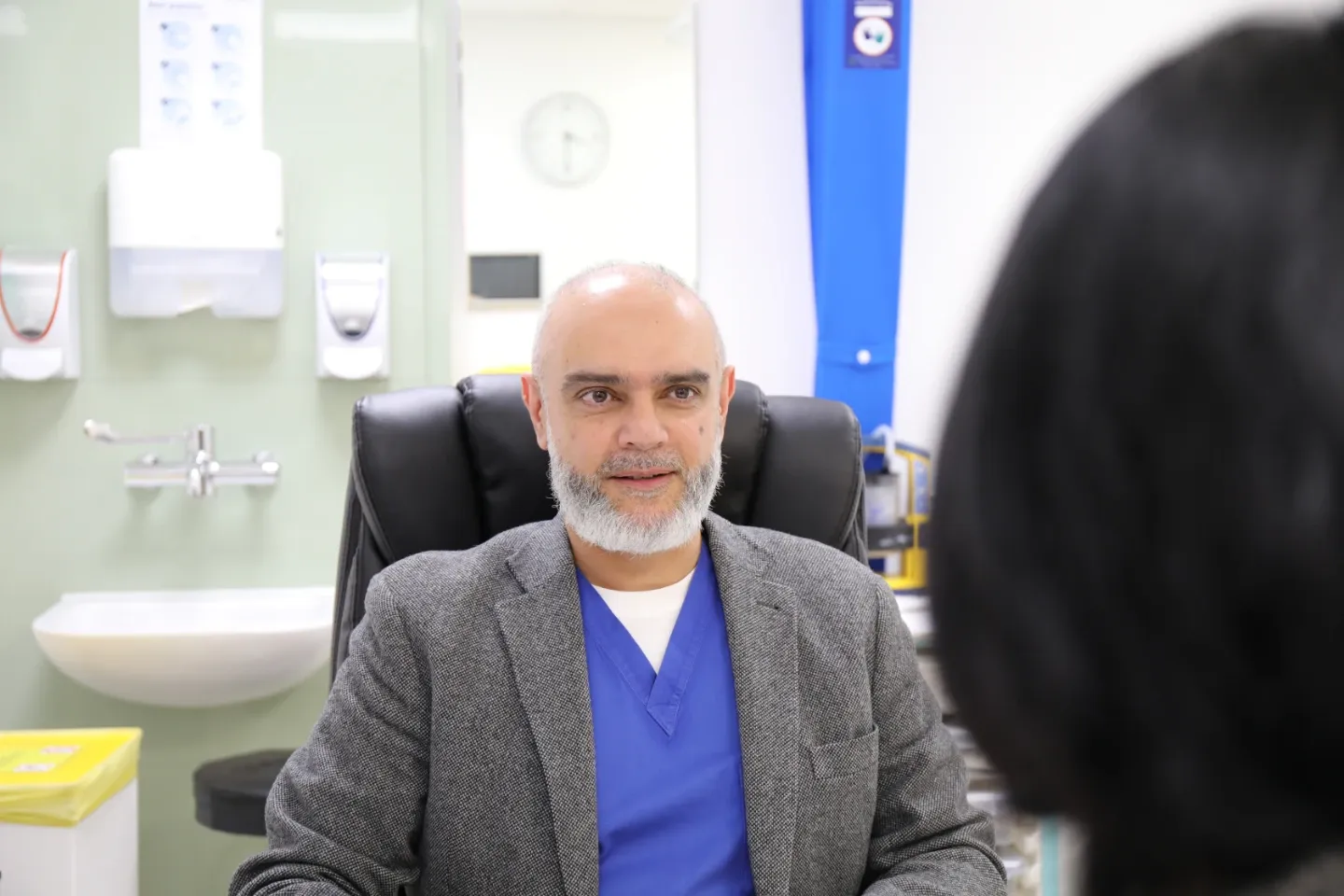
A male physician in blue scrubs and a grey blazer sits attentively in a clinical consultation room, listening to a patient. Medical equipment and hygiene dispensers are visible on the wall behind him.

Types of Ventricular Tachycardia

The approach to VT ablation depends on whether your heart has an underlying structural problem.

  • In idiopathic VT - where the heart is otherwise structurally normal - the abnormal electrical focus is usually found in a predictable location, such as the outflow tract at the base of the ventricles or within the specialised conduction tissue of the left ventricle. These cases are often very amenable to targeted, effective ablation.
  • In structural VT - most commonly seen after a previous heart attack, or in the setting of a heart muscle disease (cardiomyopathy) - the VT circuit typically runs within or near areas of scar tissue. Ablation in this setting requires careful, detailed electrical mapping and a highly tailored approach.

How VT ablation works

During the procedure, thin, flexible wires are passed through blood vessels in the groin and guided into the heart. Using advanced 3D mapping systems, the source of the VT is precisely located. Targeted energy is then delivered to eliminate the abnormal electrical focus or circuit, while preserving normal heart function.

For structural VT, the mapping process is particularly detailed - identifying scar tissue, finding the borders of the VT circuit, and delivering ablation precisely to interrupt it without damaging healthy heart muscle.

Before your procedure

A thorough pre-procedure assessment is essential before VT ablation. This includes a review of your medical history, a heart scan (echocardiogram or cardiac MRI) to assess heart structure and function, and careful review of any recordings of the VT. Some anti-arrhythmic medications may need to be temporarily stopped - Dr. Kaba's team will provide clear written instructions.

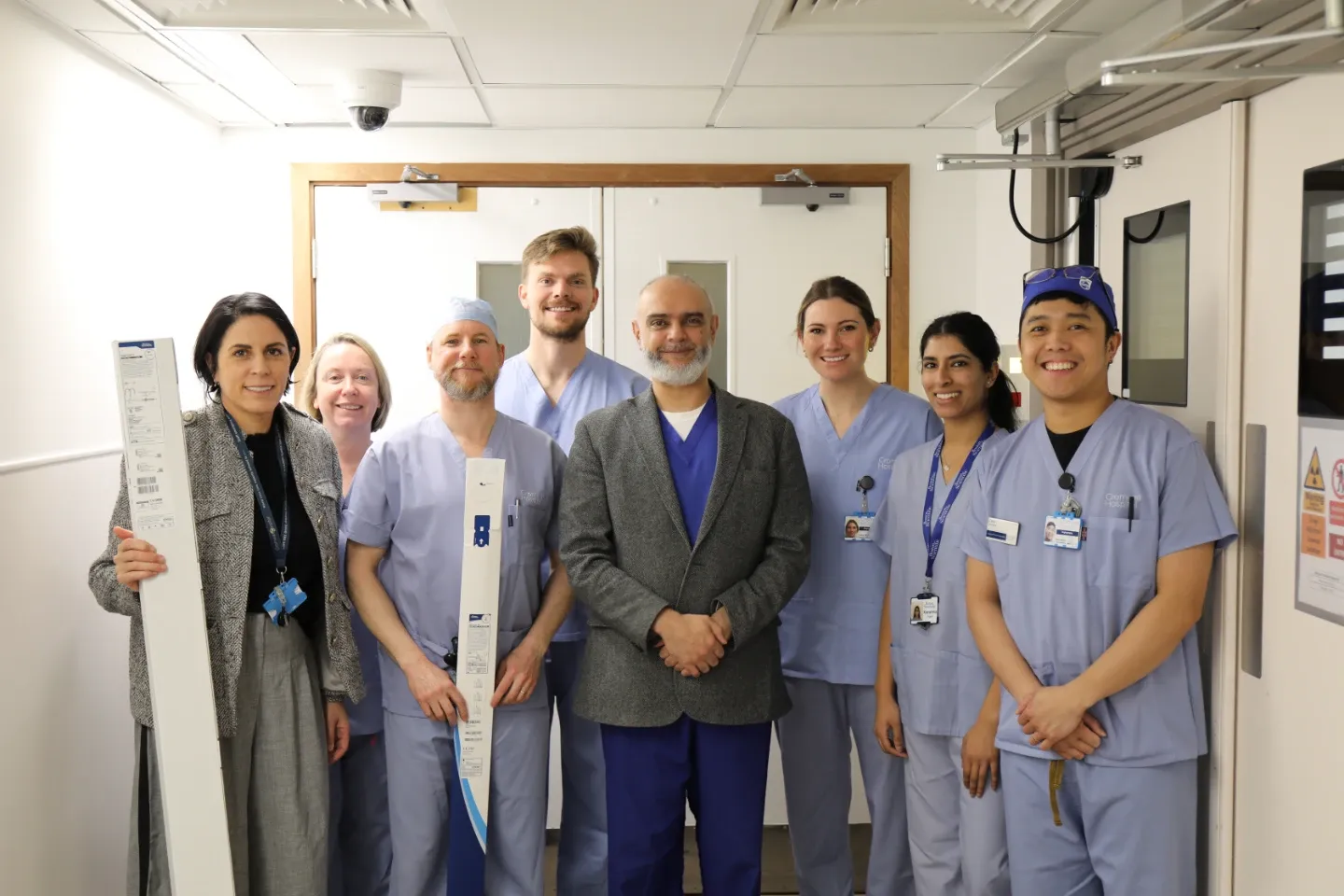
Eight healthcare professionals pose together in a hospital corridor near clinical doors. A woman on the left holds elongated medical device packaging. Staff wear a mix of scrubs and clinical blazers.

What happens during the procedure

VT ablation is carried out in a specialist cardiac catheter laboratory under general anaesthetic or deep sedation. Procedures typically take two to four hours, though complex cases - particularly structural VT - may take longer. You will be closely monitored throughout by a specialist team experienced in managing ventricular arrhythmias.

What happens during the procedure?

VT ablation is carried out in a specialist cardiac catheter laboratory under general anaesthetic or deep sedation. Procedures typically take two to four hours, though complex cases - particularly structural VT - may take longer. You will be closely monitored throughout by a specialist team experienced in managing ventricular arrhythmias.

After treatment

Most patients stay in hospital for one to two nights following the procedure, during which your heart rhythm is monitored closely. Most people return to light daily activities within one to two weeks, with a gradual return to full activity thereafter. Dr. Kaba will arrange follow-up and ongoing monitoring.

Success rates

For idiopathic VT in a structurally normal heart, ablation has excellent results - with acute success rates of approximately 85 to 90% reported in clinical series. For structural VT, outcomes depend on the extent of the scar and the complexity of the circuit, but ablation significantly reduces VT frequency in most patients.

Who is suitable?

VT ablation may be recommended if you have:

  • Recurrent episodes of ventricular tachycardia causing symptoms such as palpitations, dizziness, or blackouts
  • Frequent ICD shocks, including electrical storm VT that has not responded adequately to anti-arrhythmic medication
  • Idiopathic VT arising from a specific focus in an otherwise healthy heart
  • Structural heart disease - such as previous heart attack or cardiomyopathy- with scar-related VT
  • A preference for ablation over long-term anti-arrhythmic medication, where clinically appropriate

Risks and complications

VT ablation is a more complex procedure than many other ablations, and the risks reflect this. Main risks include:

  • Haemodynamic instability: VT induction can cause the blood pressure to drop during the procedure. The team is experienced in managing this safely.
  • Cardiac perforation: a rare risk when mapping inside the heart
  • Vascular injury at the access site in the groin
  • Damage to normal conduction tissue: very rare, as mapping is used throughout to avoid normal electrical pathways
  • Stroke: uncommon; anticoagulation is carefully managed throughout
  • Recurrence: some patients, particularly those with extensive scar, may require more than one procedure

Dr. Kaba will discuss all of these risks in detail at your consultation

Frequently
asked questions

VT ranges significantly in how serious it is. Some forms - particularly idiopathic VT in a structurally normal heart - are not life-threatening. Structural VT, particularly in the setting of a previous heart attack or cardiomyopathy, can be more serious. Dr. Kaba will explain your individual risk clearly at your consultation.

VT ablation is usually performed under general anaesthetic or deep sedation, so you will be asleep throughout. This is important both for your comfort and to ensure the team can work safely during a potentially complex procedure.

Most VT ablations take two to four hours. Complex structural VT cases can take longer. The total hospital stay is usually one to two nights.

Reducing or eliminating VT is one of the main goals of ablation in patients with an ICD. While ablation cannot guarantee your ICD will never fire again, most patients with frequent ICD shocks see a significant reduction in shock frequency after a successful ablation.

This depends on the type of VT and your underlying heart condition. Some patients are able to reduce or stop anti-arrhythmic medications after a successful ablation. Others - particularly those with significant structural heart disease - may need to continue some medications. Dr. Kaba will review this with you at follow-up.

If VT recurs, a repeat ablation procedure is often possible and may achieve better results than the first, particularly if the initial procedure reduced but did not eliminate the VT. The options will be discussed at your follow-up.

Why Dr Kaba

Why choose Dr Kaba for Ventricular Tachycardia Ablation?

VT ablation requires expert real-time decision-making during a technically complex procedure. Dr. Kaba performs these regularly at Cromwell Hospital for both idiopathic and structural VT - including the most challenging scar-related cases.

  • Dr. Kaba has spent over 25 years caring for patients with heart rhythm disorders. He performs these procedures regularly so you benefit from a level of skill and familiarity that only comes with high-volume specialist practice.
  • He trained in London and held a visiting professorship at Columbia University in New York. He has performed world-first and UK-first procedures, leads a research team at City St. George's, University of London, and has received awards from the European Society of Cardiology and the Heart Rhythm Society in the USA.
  • Patients come to see Dr. Kaba from across the UK, Europe, the Middle East, and Asia. He speaks several languages and takes the time to make sure you fully understand your condition, your options, and what to expect before, during, and after any procedure
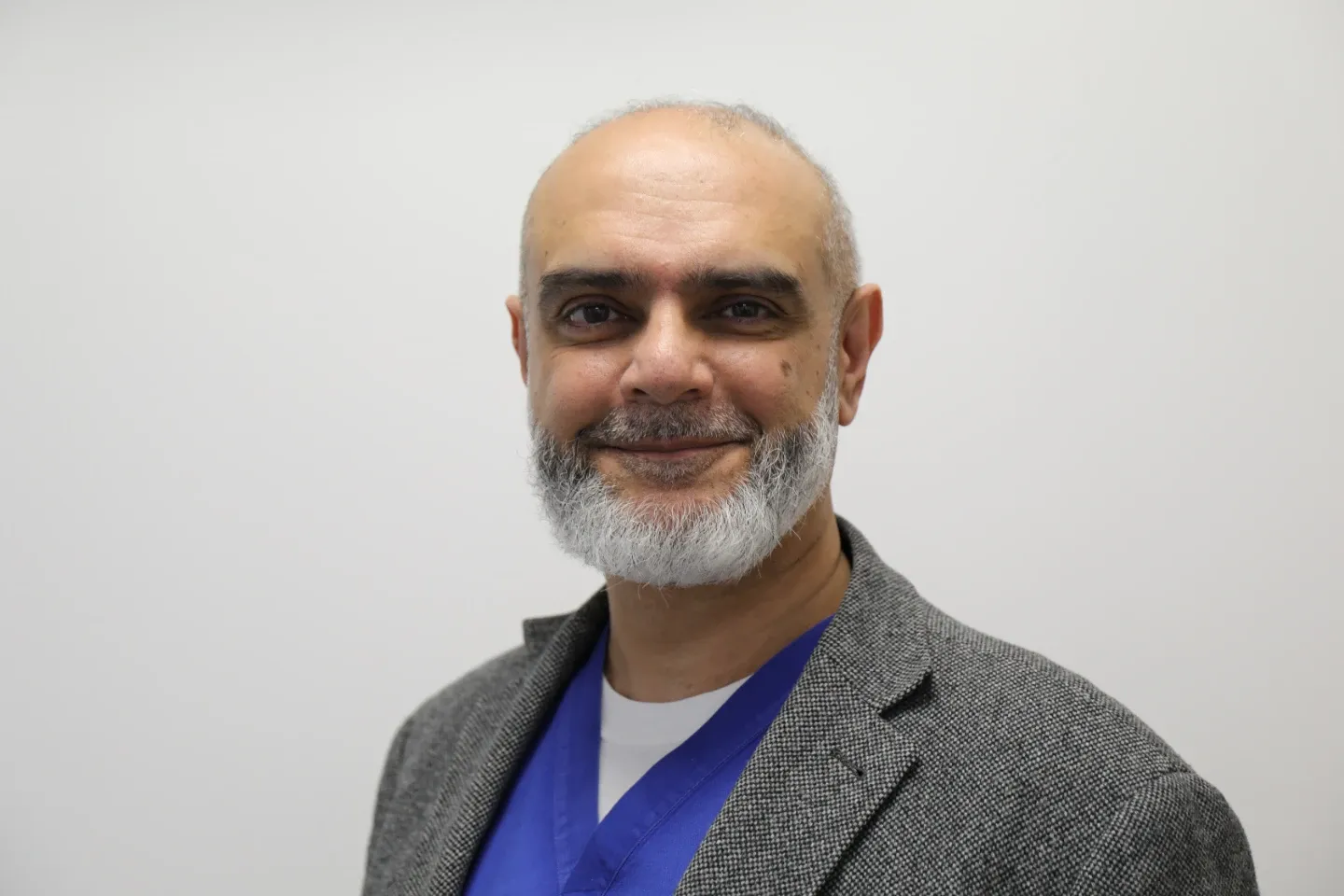
Portrait of Dr Kaba

What private care means for you

Private care gives you timely access to specialist cardiac expertise, clear communication at each step, and a personalised treatment pathway built around your clinical needs. You receive continuity of consultant-led care from initial assessment through to follow-up.