All treatments

SVT Ablation

What is SVT Ablation ?

SVT is an umbrella term for several different types of fast heart rhythm that originate above the ventricles — the heart's main pumping chambers. The two most common types are:

  • AV Nodal Re-entrant Tachycardia (AVNRT): the most common form of SVT. It occurs when an abnormal electrical circuit forms within or around the AV node - the small hub of cells that connects the upper and lower chambers of the heart. The circuit causes the heart to beat very rapidly in a regular pattern.
  • AV Re-entrant Tachycardia (AVRT): caused by an accessory pathway: an extra electrical connection between the upper and lower chambers that should not be there. Electrical signals travel around a circuit that includes both the normal conduction system and this extra pathway, triggering a fast rhythm. Wolff-Parkinson-White (WPW) syndrome is a well-known form of AVRT.

Both AVNRT and AVRT are highly amenable to catheter ablation. Understanding which type you have is part of the assessment process and guides exactly where ablation energy is delivered.

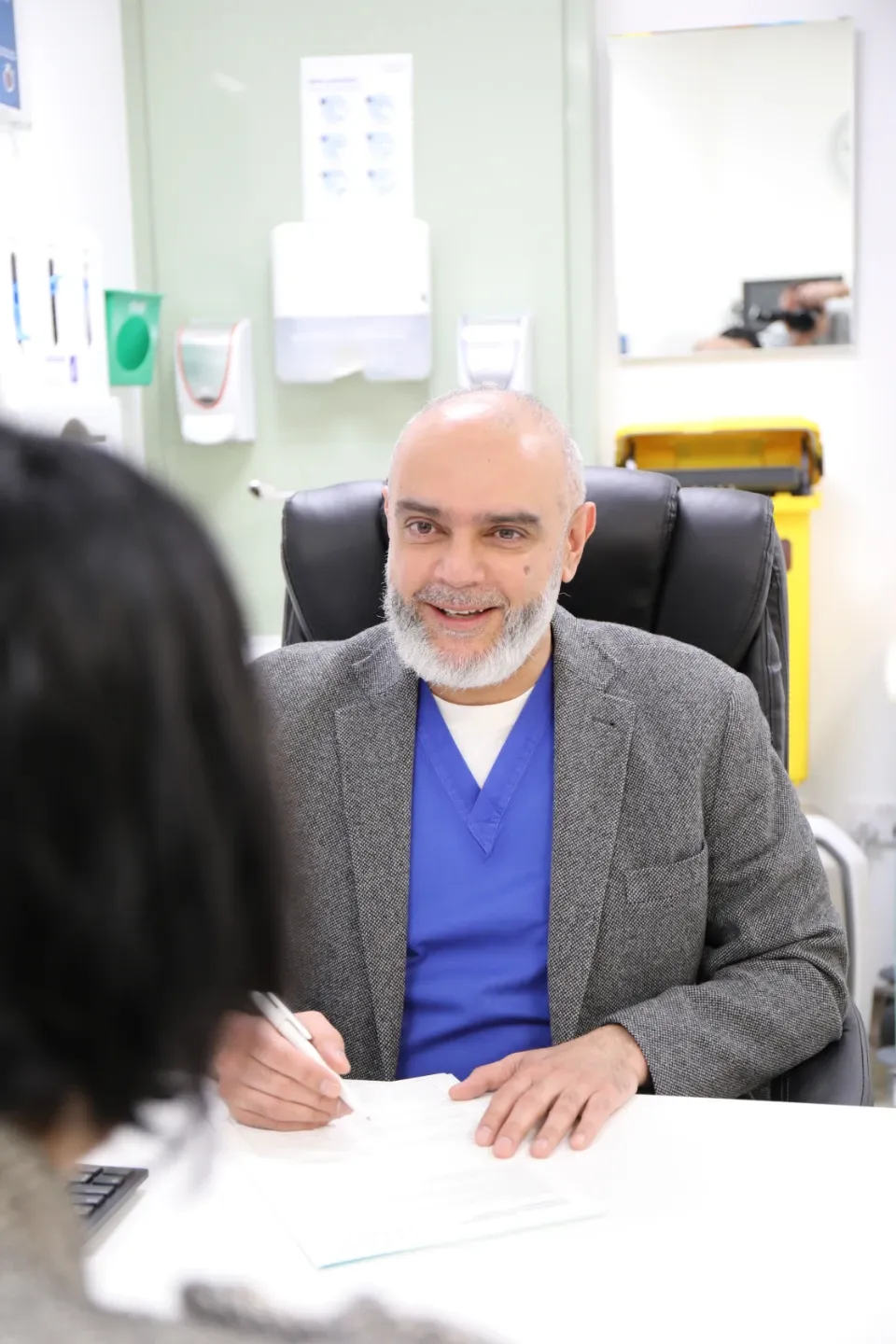
A male physician in blue scrubs and a grey blazer sits at a consultation desk in a clinical room, smiling broadly while writing notes during a patient consultation.

How SVT ablation works

SVT ablation is tailored to the specific type of abnormal pathway causing your tachycardia. During the procedure, thin, flexible wires are passed through a vein in the groin and guided into the heart using advanced imaging and 3D electrical mapping. The abnormal circuit or extra pathway is precisely identified, and targeted energy - usually heat - is delivered to eliminate it while preserving the heart's normal electrical conduction.

For AVNRT, a small area of tissue called the slow pathway is targeted. For AVRT, the accessory pathway connecting the upper and lower chambers is identified and ablated. In both cases, the goal is to permanently break the circuit that causes the SVT.


Before your procedure

You will have a full consultation, ECG review, and pre-procedure assessment. If you have had a recording of your SVT on a Holter monitor or event recorder, please bring this with you - it is very helpful in planning the procedure.

Some medications - particularly beta-blockers or other anti-arrhythmic drugs - may need to be temporarily stopped before the procedure, as they can suppress the SVT and make it harder to locate during the study. Dr. Kaba's team will give you clear written instructions in advance. Blood thinners, if you take them, will usually be continued.

What happens during the procedure?

SVT ablation is carried out in a specialist cardiac catheter laboratory under local anaesthetic with sedation. Most procedures take one to two hours. You will be comfortable throughout, and a specialist team is with you at all times.

At the start of the procedure, an electrophysiology (EP) study is performed to map your heart's electrical system and confirm the mechanism of the SVT. Once the abnormal pathway is identified, ablation is carried out in the same session. In most cases, no second procedure is needed.

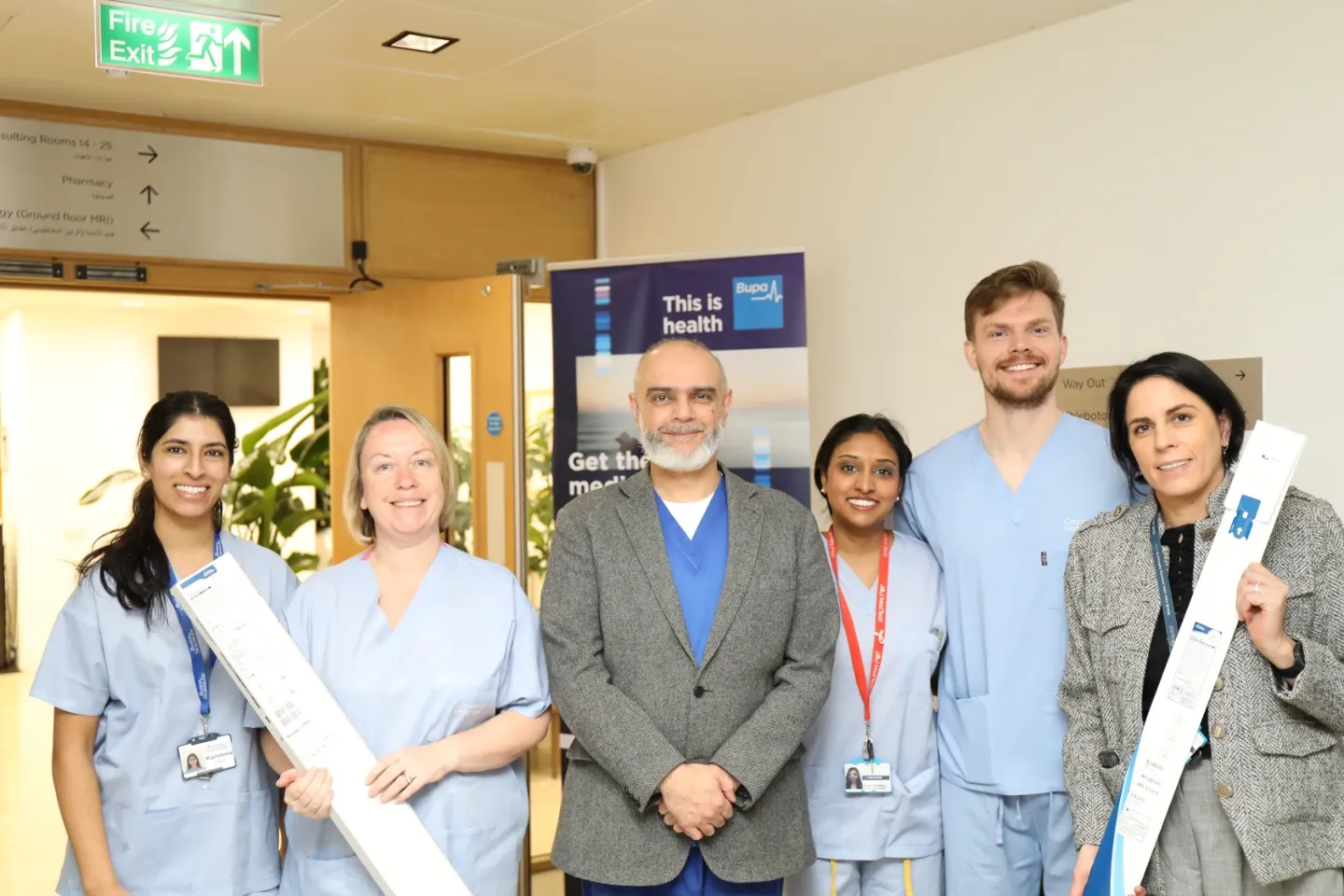
Six healthcare professionals pose in a hospital corridor near a Bupa branded banner. Two members hold elongated medical device packaging. Directional hospital signage is visible overhead.

After treatment

Most patients go home the same day or after one night in hospital. Recovery is quick - most people return to normal daily activities within a few days. Strenuous exercise should be avoided for one to two weeks.

As a precaution, you may be advised to take aspirin or a similar medication for one month after the ablation. After that, it can generally be stopped unless there is another reason to continue. Dr. Kaba will review your medications and arrange follow-up to confirm the SVT has been eliminated.

Success rates

SVT ablation has excellent outcomes. For AVNRT - the most common type of SVT - success rates are consistently around 95 to 98%. For AVRT and accessory pathway ablation, success rates are similarly high at approximately 90 to 95%. The European Society of Cardiology recommends catheter ablation as the gold standard treatment for symptomatic SVT, with the highest level of recommendation (Class I) for most presentations. 

Who is suitable?

SVT ablation may be recommended if you have:

  • Frequent or distressing episodes of palpitations
  • Symptoms: such as dizziness, breathlessness, or chest discomfort that affect your quality of life
  • SVT that has not been adequately controlled with medication, or where you are intolerant of medication side effects
  • A preference for a definitive, curative treatment rather than long-term medication
  • WPW syndrome: particularly where the accessory pathway carries a risk of fast conduction that may need to be addressed

Risks and complications

SVT ablation is a safe, well-established procedure with a low risk of serious complications. The main risks include:

  • Bruising or discomfort at the groin puncture site — common and usually minor
  • Recurrence of SVT — in a small proportion of patients, the SVT can return. This is more common if the initial ablation line was not fully complete and can be addressed with a repeat procedure
  • AV block — a very small risk of damage to the normal AV node, which can occur when treating AVNRT due to the proximity of the ablation target. This is rare in experienced hands and largely avoided with careful 3D mapping
  • Vascular injury at the access site — rare
  • Cardiac perforation — very rare

Dr. Kaba will go through all of these risks in detail at your consultation. The overall risk profile for SVT ablation is among the lowest of all catheter ablation procedures

Frequently
asked questions

You will receive sedation to keep you comfortable and relaxed throughout. Most patients have little or no memory of the procedure. In some cases, particularly for longer or more complex procedures, general anaesthesia may be used. Dr. Kaba will discuss this with you beforehand.

Most SVT ablations take one to two hours. The total time at hospital - including preparation and recovery - is usually four to six hours for a same-day procedure.

SVT ablation has some of the highest success rates of any catheter ablation procedure. For AVNRT, success rates are around 95 to 98%. For accessory pathway ablation (AVRT), they are approximately 90 to 95%. The type of SVT you have and its location will be discussed at your consultation.

In most cases, a well-performed SVT ablation is curative. A small proportion of patients do have a recurrence, usually because the ablation was not fully complete. In this situation, a repeat procedure is usually very effective.

In the vast majority of people, SVT is not life-threatening. It is distressing and can significantly affect quality of life, but it does not typically pose a risk to the heart muscle or cause structural damage. The exception is WPW syndrome with certain types of accessory pathway, where fast conduction in AF can occasionally be serious. Dr. Kaba will discuss this with you if relevant.

A successful ablation usually means you can stop anti-arrhythmic medications. For a short period after the procedure, a mild anti-platelet medication such as aspirin may be recommended. After that, most patients need no medication for SVT at all.

Most patients return to desk-based work within two to three days. If your job involves significant physical activity, a slightly longer period of light duties is recommended. Dr. Kaba will give you specific guidance at your follow-up.

Why Dr Kaba

Why choose Dr Kaba for SVT Ablation ?

SVT is one of the most rewarding conditions to treat because in the right hands, it can be permanently cured. Dr. Kaba has extensive experience in both AVNRT slow pathway ablation and accessory pathway ablation, with consistently high success rates and meticulous attention to protecting normal conduction.

  • Dr. Kaba has spent over 25 years caring for patients with heart rhythm disorders. He performs these procedures regularly so you benefit from a level of skill and familiarity that only comes with high-volume specialist practice.
  • He trained in London and held a visiting professorship at Columbia University in New York. He has performed world-first and UK-first procedures, leads a research team at City St. George's, University of London, and has received awards from the European Society of Cardiology and the Heart Rhythm Society in the USA.
  • Patients come to see Dr. Kaba from across the UK, Europe, the Middle East, and Asia. He speaks several languages and takes the time to make sure you fully understand your condition, your options, and what to expect before, during, and after any procedure
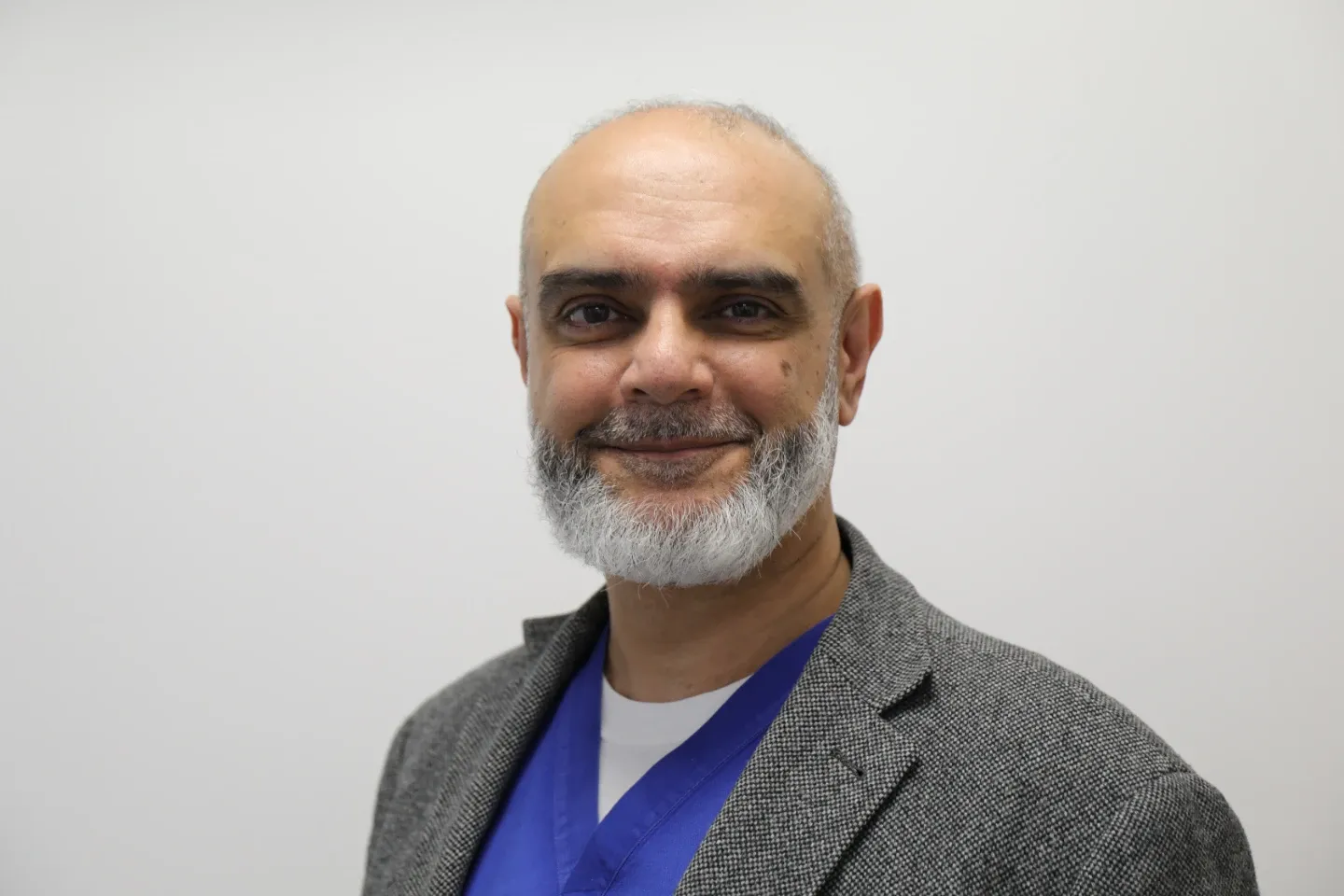
Portrait of Dr Kaba

What private care means for you

Private care gives you timely access to specialist cardiac expertise, clear communication at each step, and a personalised treatment pathway built around your clinical needs. You receive continuity of consultant-led care from initial assessment through to follow-up.