

In most cases, no. The electrical pulses delivered by a pacemaker are far too small to feel. Most patients are unaware of the device working at all. If you notice palpitations or an unusual sensation, contact Dr. Kaba's team.
A pacemaker consists of a small generator - roughly the size of a large coin - and one or more thin wires called leads. The generator is implanted just beneath the skin, usually below the left collarbone. The leads are passed through a vein into the heart, where they make contact with the heart muscle. The generator monitors every heartbeat and delivers a small electrical pulse whenever the heart rate drops below a set threshold.
Most modern pacemakers are also rate-responsive, meaning they can detect when you are active and increase your heart rate to match your level of exertion - making them feel completely natural.
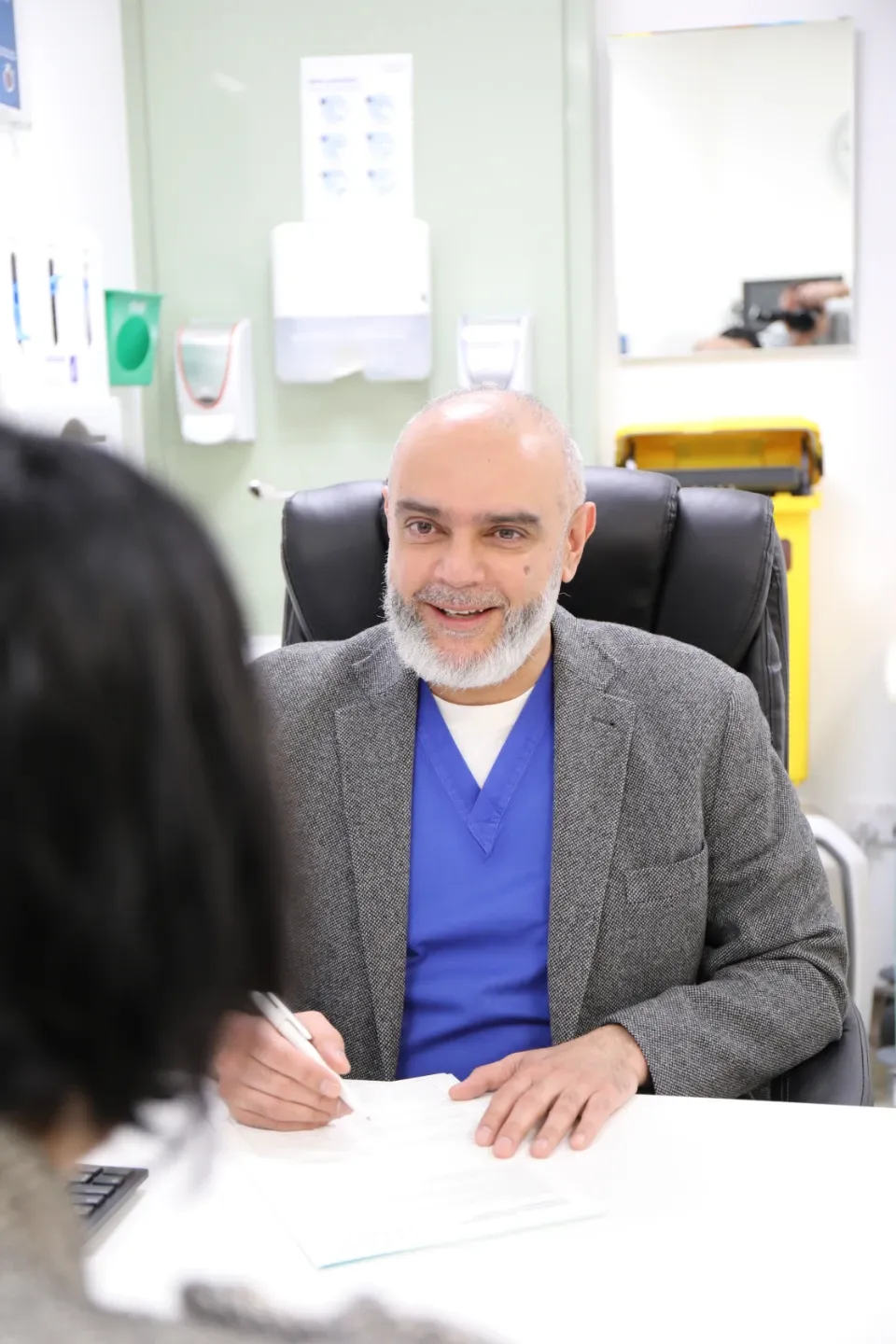
A pacemaker may be recommended if you have:
One lead is placed in the right ventricle - the main pumping chamber. This is the simplest type and is suitable for many patients.
Two leads are used - one in the right atrium and one in the right ventricle. This allows the pacemaker to coordinate the timing of the upper and lower chambers, which feels more natural for many patients.
A small, self-contained device implanted directly into the right ventricle - without any leads or a device pocket under the skin. This is an excellent option for selected patients, as it avoids the risks associated with leads and the wound below the collarbone.
Most modern pacemakers include a rate-responsive function, which detects physical activity and adjusts the pacing rate accordingly - so your heart can keep up when you are active, just as it would naturally.
Pacemaker implantation is carried out under local anaesthetic with sedation in a specialist cardiac catheter laboratory. You will be comfortable throughout.
Dr. Kaba makes a small incision just below the collarbone and guides the lead or leads through a vein into the correct position in the heart, using real-time X-ray guidance.
The generator is then connected to the leads and placed in a small pocket beneath the skin.The incision is closed with dissolvable stitches and protective skin glue.
The procedure typically takes one to two hours. Most patients stay overnight for monitoring and go home the following morning, though same-day discharge is possible in some cases.
Before you leave, the pacemaker is programmed to your specific needs.
After the implant, the device is programmed to deliver the right heart rate for you. This can be adjusted non-invasively over time during follow-up appointments - without any further procedures.
Your pacemaker will be checked regularly, either in clinic or through remote monitoring. Data is transmitted wirelessly to Dr. Kaba's team, allowing early identification of any issues. Most patients find the remote monitoring system very reassuring.
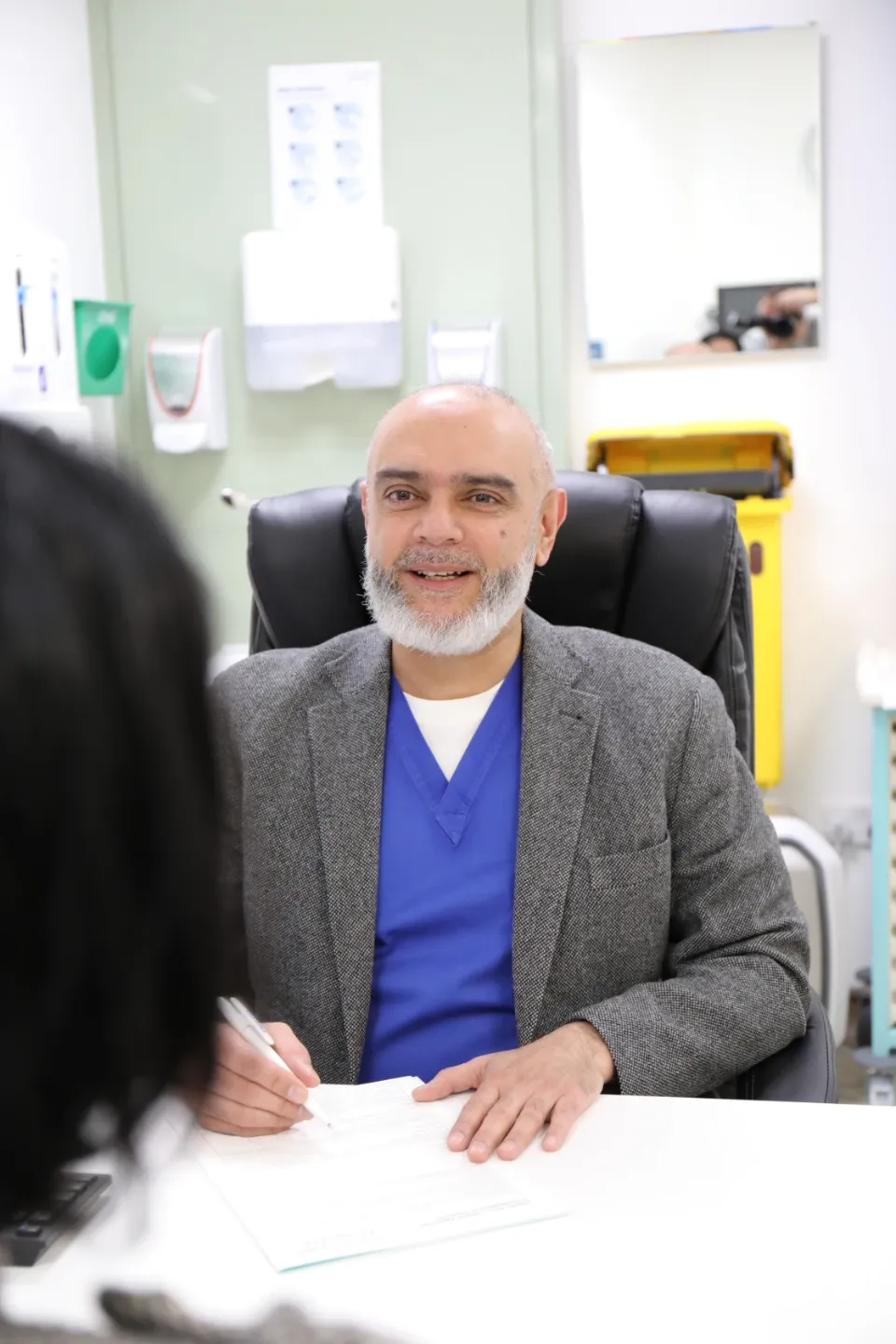
DVLA rules for pacemaker patients are straightforward in most cases. Most patients can return to driving within one week of a new implant, provided they feel well. Dr. Kaba will give you specific guidance before you are discharged.
Most modern pacemakers are MRI-conditional, meaning an MRI scan can be performed safely under specific conditions. Dr. Kaba will implant an MRI-compatible device wherever possible and give you a device card to show other medical teams.
In most cases, patients with pacemakers can exercise and remain fully active. Dr. Kaba will advise you on any activity restrictions based on your underlying condition and the type of device implanted.
Modern pacemakers are very well shielded. Everyday household appliances - including microwaves, mobile phones used normally, and induction hobs - do not affect them. You should avoid close prolonged contact with strong magnets or industrial equipment. Airport security scanners are safe; you can show your device card if you prefer to be hand-searched.
Travelling with a pacemaker is straightforward. Always carry your device card when flying. Altitude and cabin pressure do not affect your device. If you are travelling to a remote location, Dr. Kaba's team can provide you with a summary of your device settings for any doctors who may need to treat you abroad.
Pacemaker batteries typically last between eight and fifteen years, depending on how often the device is needed. When the battery runs low - which is detected well in advance through routine monitoring - the generator is replaced in a simple procedure that does not usually require the leads to be changed.
Pacemaker implantation is a well-established, low-risk procedure. Complications are uncommon and include:
Dr. Kaba will discuss all of these risks with you in detail at your consultation.
In most cases, no. The electrical pulses delivered by a pacemaker are far too small to feel. Most patients are unaware of the device working at all. If you notice palpitations or an unusual sensation, contact Dr. Kaba's team.
Most pacemaker batteries last between eight and fifteen years. The battery level is monitored at every check-up, and you will be told well in advance when a generator change is needed.
Yes. Modern pacemakers are very well shielded. The only recommendation is to keep your phone at least 15cm away from the device when in use - for example, avoid carrying it in a breast pocket directly over the implant site. Normal use does not cause any problem.
Most modern pacemakers are MRI-conditional. This means an MRI scan can be performed safely, with specific precautions. Dr. Kaba will implant an MRI-compatible device wherever possible and provide you with the information other medical teams need.
In most cases, yes - usually within one week of the implant, provided you feel well. Dr. Kaba will give you specific DVLA guidance before you leave hospital.
A pacemaker treats the symptom - a heart rate that is too slow - rather than its underlying cause. Many patients feel dramatically better after implantation, but the pacemaker does not reverse the underlying disease. Dr. Kaba will continue to monitor and manage your heart health as part of your long-term care.
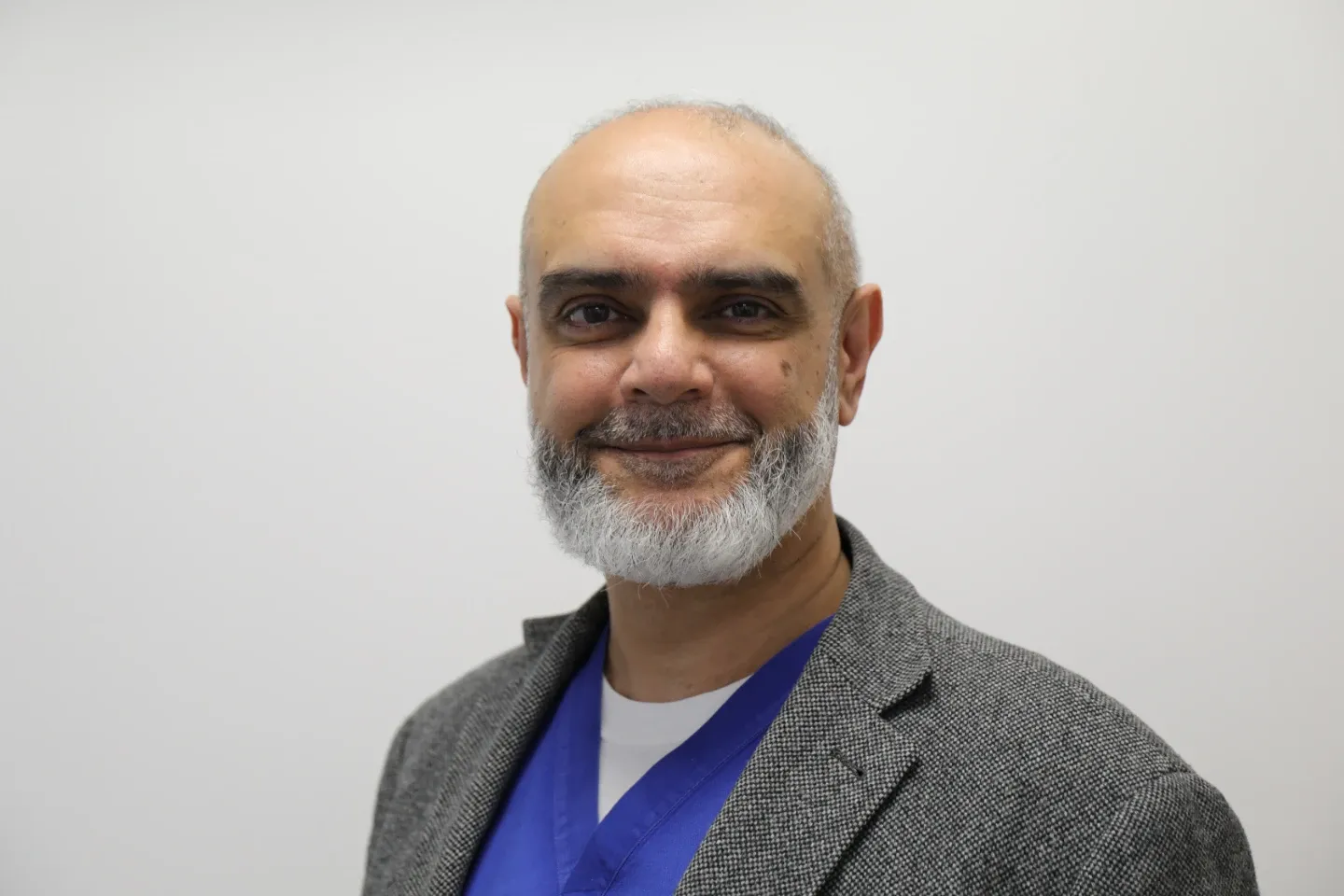
Why Dr Kaba
Pacemaker care is about far more than the implant itself. Dr. Kaba follows you throughout your device's lifetime - ensuring optimal programming, prompt attention if anything changes, and continuity that makes a real difference over the long term.
Session windows are published by area. Tap a session to book—exact venue details are shared after you confirm.
Full session times & locationsUrgent appointments can be made via WhatsApp or by calling our clinic on 07516004491.
Private care gives you timely access to specialist cardiac expertise, clear communication at each step, and a personalised treatment pathway built around your clinical needs. You receive continuity of consultant-led care from initial assessment through to follow-up.