

You will receive sedation to keep you comfortable and relaxed. Most patients feel very little during the procedure and have little or no memory of it afterwards.
In typical atrial flutter, an abnormal electrical circuit travels continuously around the lower part of the right atrium - the upper right chamber of the heart. This circuit passes through a small strip of tissue called the cavotricuspid isthmus (CTI). The circuit causes the atrium to beat very rapidly and regularly, which then drives the ventricles - the main pumping chambers - to beat fast as well.
Atrial flutter often causes a heart rate of around 130 to 150 beats per minute. It can occur in episodes or be persistent. Over time, a persistently fast rate can weaken the heart muscle, so prompt treatment is important.
Ablation works by creating a precise line of scar tissue across the cavotricuspid isthmus. This breaks the electrical circuit that drives the flutter and stops it from occurring.
During the procedure, thin, flexible wires are passed through a vein in the groin and guided into the heart using advanced imaging and 3D electrical mapping. Once the circuit is confirmed, targeted energy - most commonly heat - is applied in a carefully planned line to permanently block the abnormal pathway.
You will have a full consultation, ECG review, and pre-procedure assessment. Some medications used to control heart rate may need to be temporarily adjusted - Dr. Kaba's team will give you clear written instructions in advance. If you are taking blood thinners, these are usually continued.
Atrial flutter ablation is carried out in a specialist cardiac catheter laboratory under local anaesthetic with sedation. Most procedures take one to two hours. You will be comfortable throughout, and a small specialist team will be with you at all times.
Most patients go home the same day or after one night in hospital. Recovery is usually quick. Most people return to normal daily activities within a few days, with a gradual return to more strenuous exercise over one to two weeks. Dr. Kaba will arrange follow-up to check your heart rhythm and symptoms.
Catheter ablation for typical atrial flutter is highly effective. The ESC gives it the highest level of recommendation (Class I) for patients with symptomatic or recurring atrial flutter. Acute success rates are approximately 90 to 95%, with low recurrence rates when the ablation line is confirmed to be complete. (ESC SVT Guidelines, 2019; Brugada et al., European Heart Journal, 2020.)
Atrial flutter ablation may be recommended if you have:
Atrial flutter ablation is a safe and well-established procedure. Risks include:
Dr. Kaba will discuss all risks with you in detail at your consultation.
You will receive sedation to keep you comfortable and relaxed. Most patients feel very little during the procedure and have little or no memory of it afterwards.
Most atrial flutter ablations take one to two hours. The total time you spend at the hospital -including preparation and recovery - is usually around four to six hours.
Catheter ablation for typical atrial flutter has a very high success rate - around 90 to 95% in most clinical series. Atrial flutter is one of the most reliably curable rhythm disorders we treat.
In most cases, a well-performed ablation is curative. A small proportion of patients do have a recurrence, usually because the ablation line was not fully complete. This can be addressed with a repeat procedure.
A successful ablation usually means you can stop the rhythm or rate control medications you may have been taking. Blood thinners may need to be continued depending on your individual stroke risk - Dr. Kaba will advise you on this
Most patients return to desk-based work within a few days. If your job involves physical activity, Dr. Kaba will advise a slightly longer period of light duties.
In some cases, yes. If you have both conditions, Dr. Kaba may be able to address both in the same procedure. This will be discussed during your consultation and planned in advance.
Why Dr Kaba
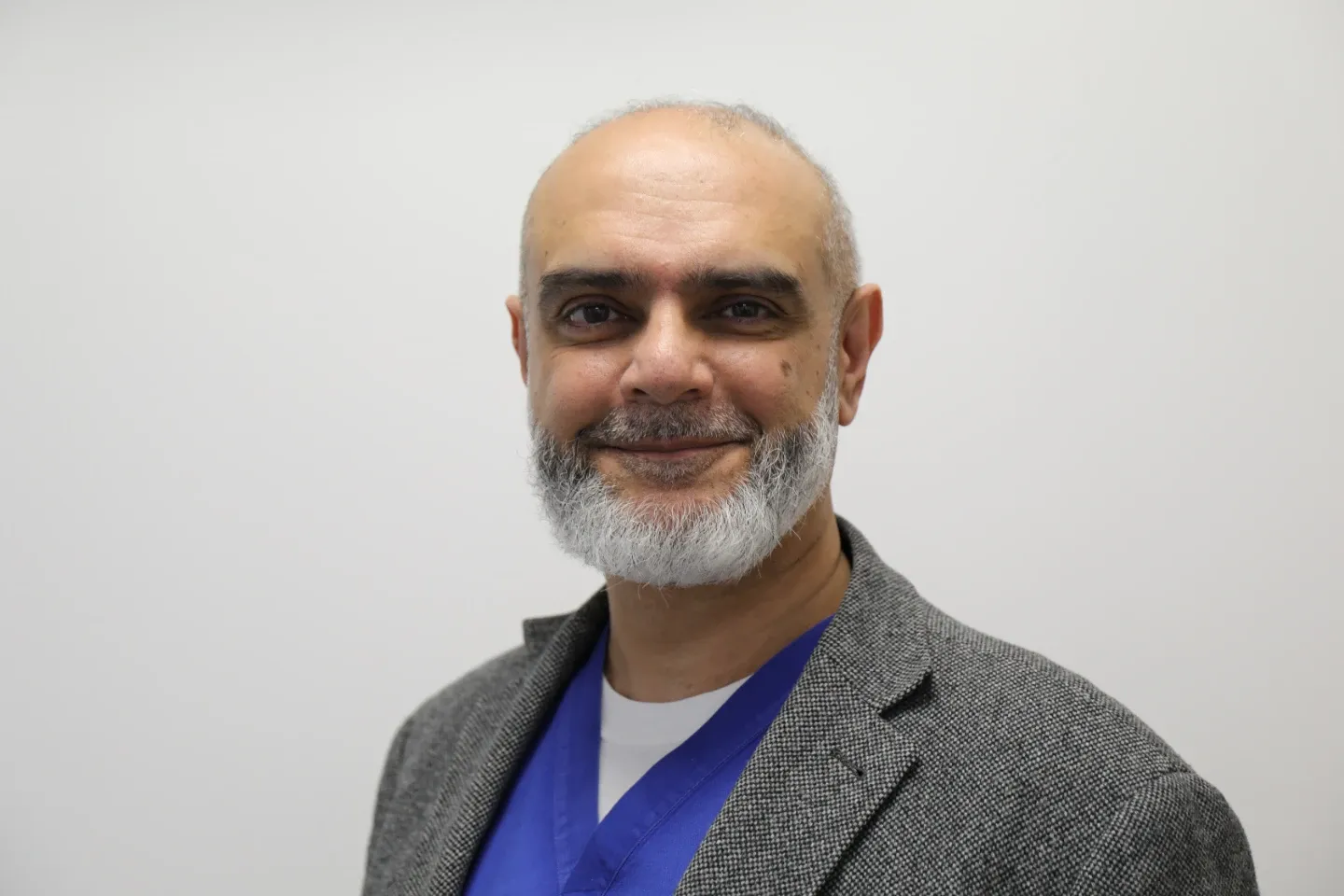
Atrial flutter is one of the most reliably treatable rhythm disorders — and Dr. Kaba has extensive experience performing CTI ablation with the consistently high success rates this procedure deserves.
Session windows are published by area. Tap a session to book—exact venue details are shared after you confirm.
Full session times & locationsUrgent appointments can be made via WhatsApp or by calling our clinic on 07516004491.
Private care gives you timely access to specialist cardiac expertise, clear communication at each step, and a personalised treatment pathway built around your clinical needs. You receive continuity of consultant-led care from initial assessment through to follow-up.