

You will receive sedation to keep you comfortable and relaxed. Most patients feel very little during the procedure and are not aware of what is happening.
Atrial tachycardia (AT) can arise through two main mechanisms. In focal AT, the abnormal electrical activity comes from a single point in the atrium that fires too rapidly. In macro-reentrant AT, the electrical signal travels around a larger circuit within the atrium - which is similar in some ways to atrial flutter. Both types can cause similar symptoms but require different ablation approaches.
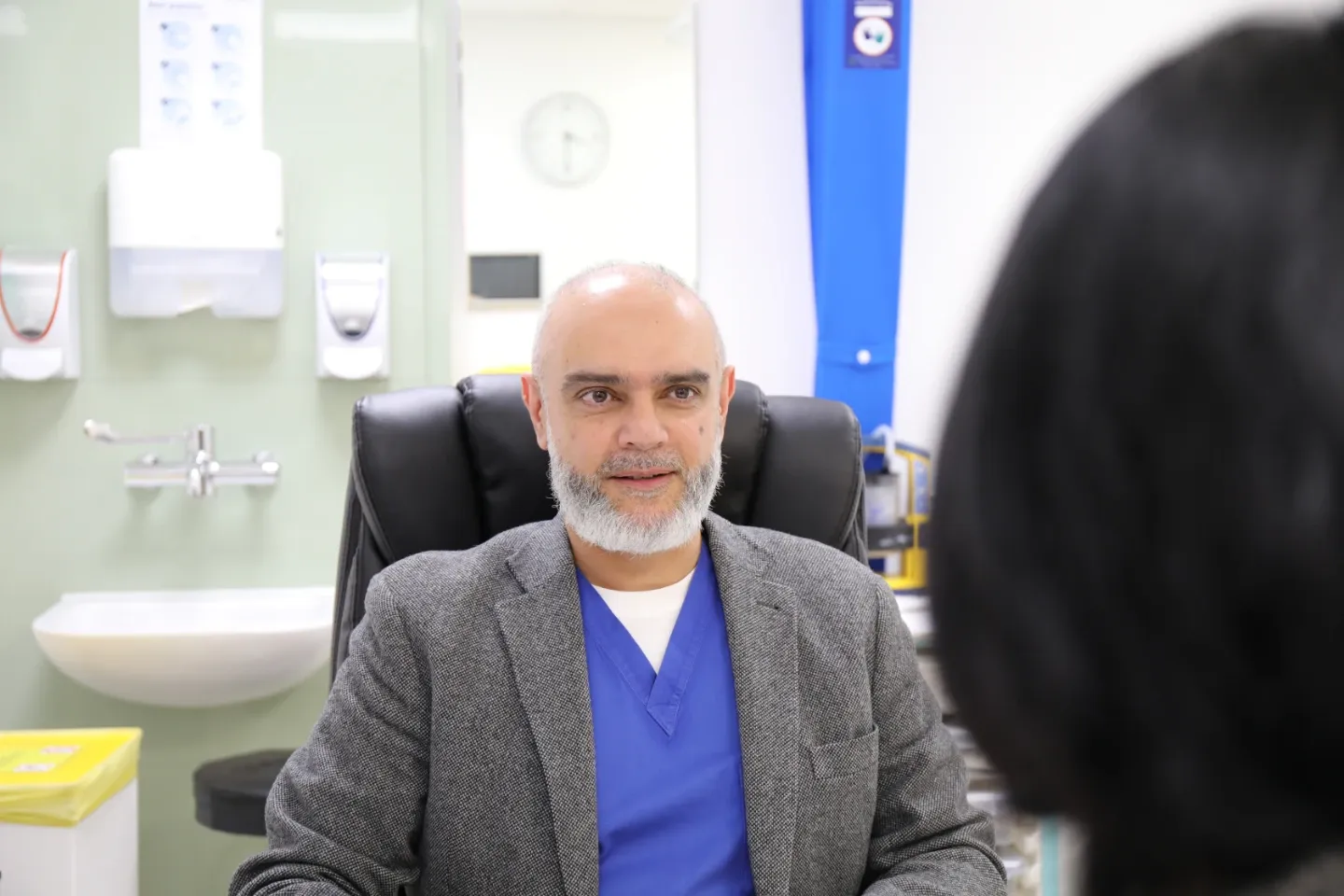
Catheter ablation is tailored to the specific type and location of your tachycardia. During the procedure, thin, flexible wires are passed through a vein in the groin and guided into the heart using advanced imaging and 3D electrical mapping. The source of the abnormal rhythm is precisely located, and targeted energy is delivered to eliminate it - while preserving the heart's normal electrical conduction throughout.
Capturing the tachycardia on a recording before the procedure is very helpful. If you have not yet had a Holter monitor or event recorder, Dr. Kaba's team will guide you on how to arrange this
You will have a full consultation, ECG review, and pre-procedure assessment. Some medications may need to be temporarily stopped - please follow the specific written instructions provided by Dr. Kaba's team. If a recording of your tachycardia has not yet been obtained, this may be arranged before the procedure.
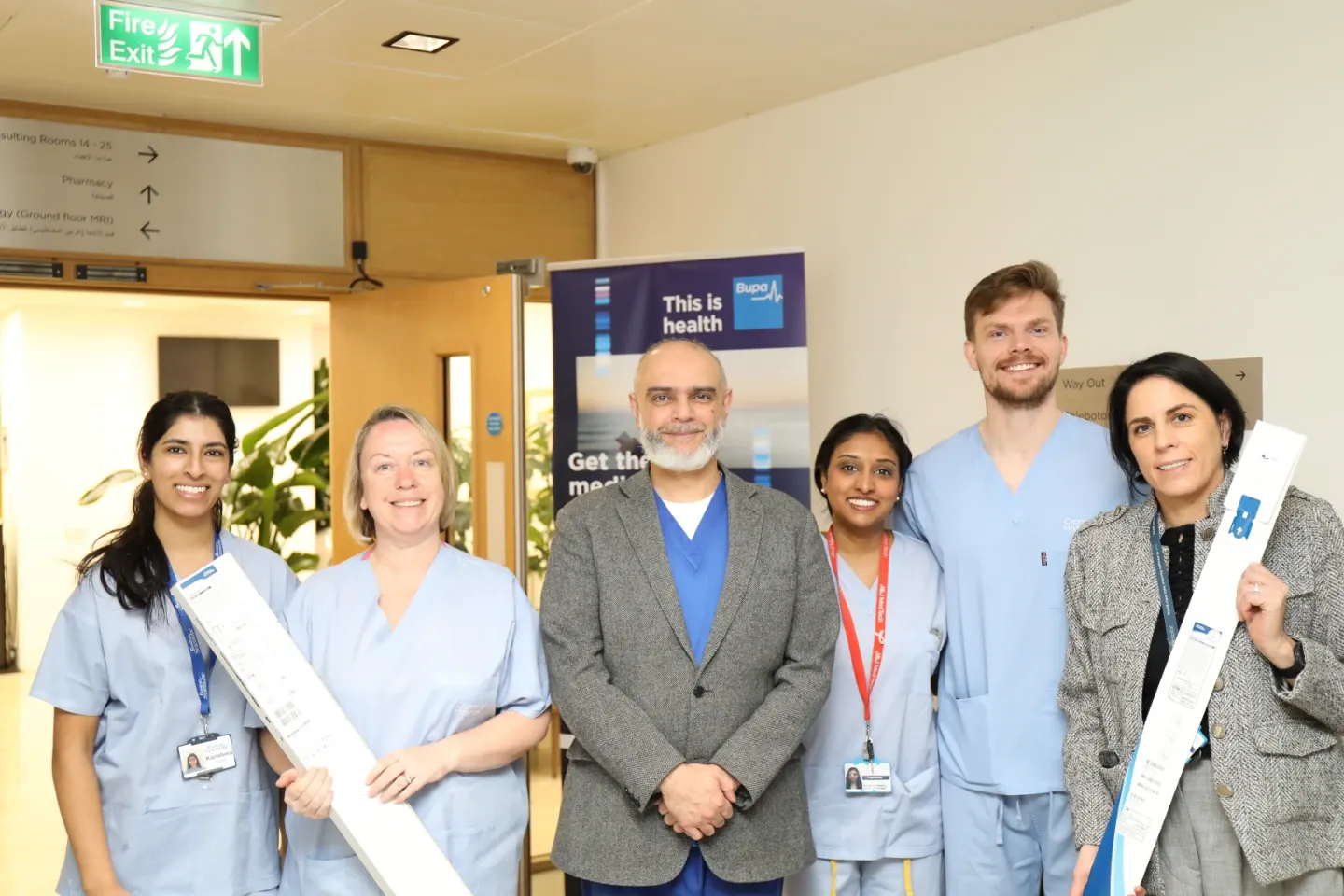
Atrial tachycardia ablation is carried out in a specialist cardiac catheter laboratory under local anaesthetic with sedation. Most procedures take one to three hours, depending on the type and location of the tachycardia. You will be carefully monitored by a specialist team throughout.
Many patients go home the same day or after one night in hospital. Recovery is usually prompt, and most people return to normal daily activities within a few days. Dr. Kaba will arrange follow-up to check your heart rhythm and symptoms.
Ablation for focal atrial tachycardia achieves acute success in approximately 80 to 90% of cases, with good long-term outcomes when the source of the tachycardia is precisely located using advanced 3D mapping. The European Society of Cardiology recommends ablation for AT, particularly when medications have not provided adequate control.
Atrial tachycardia ablation may be recommended if you have:
Atrial tachycardia ablation is a safe procedure. Risks include:
Dr. Kaba will discuss all risks with you in detail at your consultation.
You will receive sedation to keep you comfortable and relaxed. Most patients feel very little during the procedure and are not aware of what is happening.
Ideally, yes. Having the tachycardia documented on an ECG or Holter monitor before the procedure helps Dr. Kaba confirm the diagnosis and plan the ablation. If you have not yet had a recording, this can be arranged. Even without a prior recording, the EP study at the start of the procedure can often provoke and confirm the tachycardia.
Most atrial tachycardia ablations take one to three hours, depending on the type and location of the tachycardia. The total time at hospital is usually four to six hours for a same-day procedure.
For focal atrial tachycardia, acute success rates are approximately 80 to 90%. The precise success rate depends on the location and mechanism of the tachycardia, which will be discussed at your consultation.
A successful ablation usually removes the need for anti-arrhythmic medications. Blood thinners may need to be continued depending on your individual situation. Dr. Kaba will review your medications at your follow-up.
Most patients return to light daily activities within two to three days. A gradual return to exercise over one to two weeks is usually recommended.
Why Dr Kaba
Atrial tachycardia can be challenging to locate precisely - the advanced 3D mapping systems at Cromwell Hospital give Dr. Kaba the best possible chance of finding and permanently eliminating the source of your rhythm problem.
Session windows are published by area. Tap a session to book—exact venue details are shared after you confirm.
Full session times & locationsUrgent appointments can be made via WhatsApp or by calling our clinic on 07516004491.
Private care gives you timely access to specialist cardiac expertise, clear communication at each step, and a personalised treatment pathway built around your clinical needs. You receive continuity of consultant-led care from initial assessment through to follow-up.