All treatments are performed at our London-based partner clinics.
1 / 2
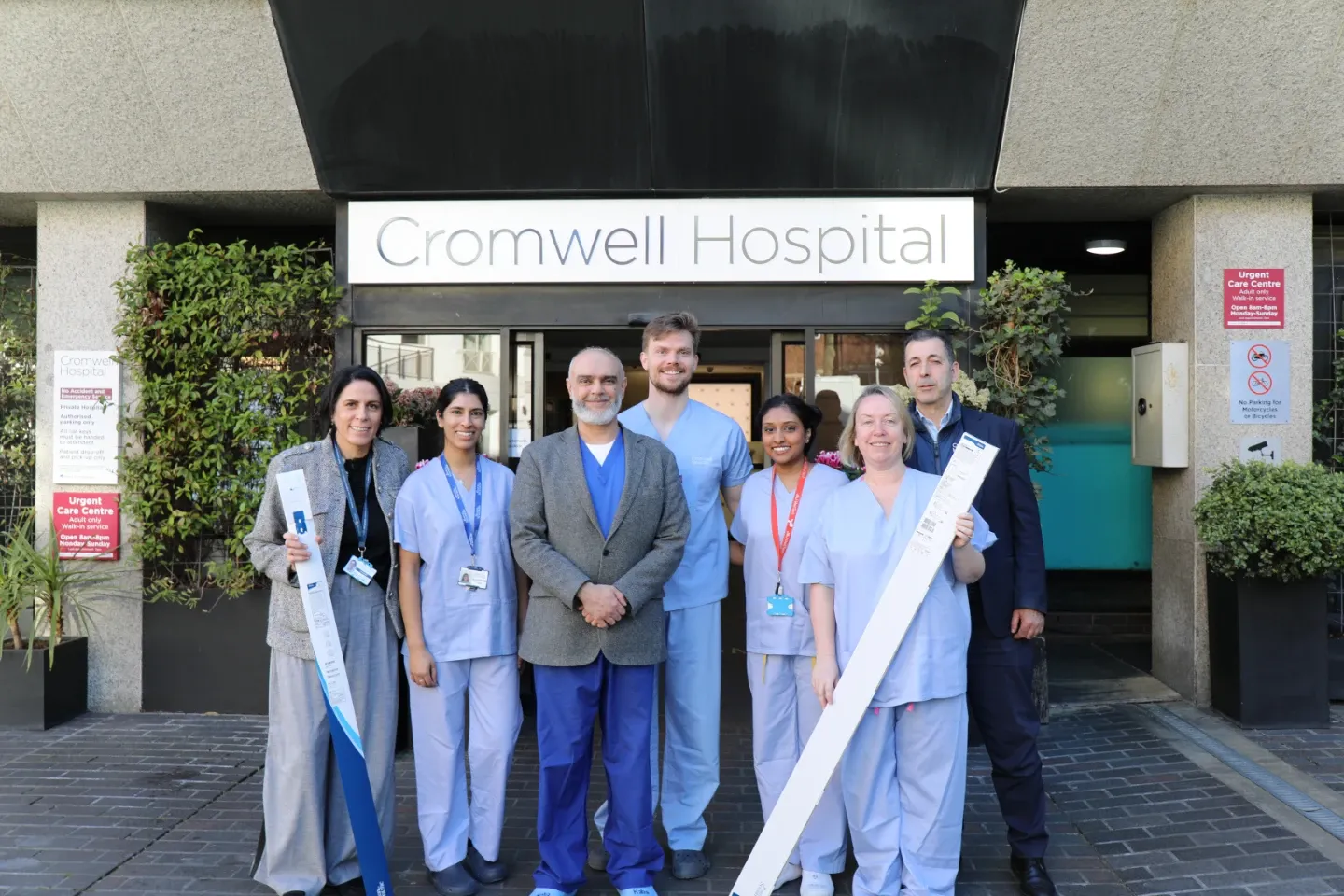
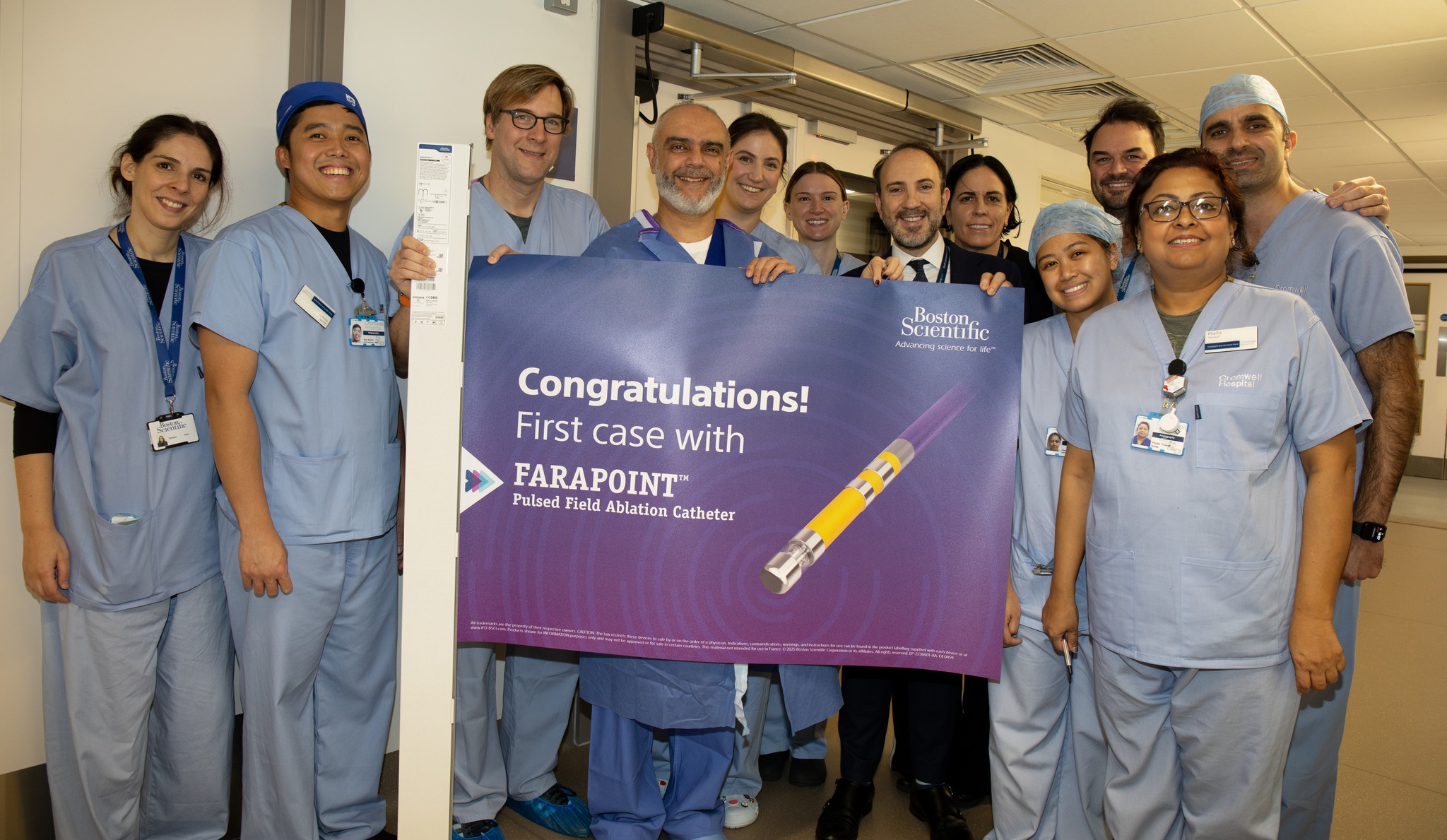
The Atrial Fibrillation Clinic of London provides comprehensive specialist cardiology treatment delivered by Dr Kaba, a world-renowned Consultant Cardiologist and pioneer of atrial fibrillation treatment.
We specialise in heart rhythm disorders and complex arrhythmias. From complex catheter ablation procedures for SVT, atrial fibrillation, and ventricular arrhythmias as well as ventricular tachycardia, to pacemaker, cardioverter-defibrillator implantation, specialised cardiac imaging, and cardiac resynchronisation therapy.
Procedures are performed at Cromwell Hospital, The Harley Street Clinic, and St Anthony's Hospital. Clinics are held across Central London and Surrey.
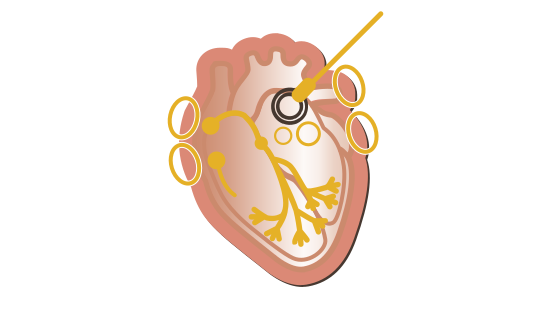
A minimally invasive procedure that treats atrial fibrillation by isolating the abnormal electrical signals responsible for the irregular heart rhythm.
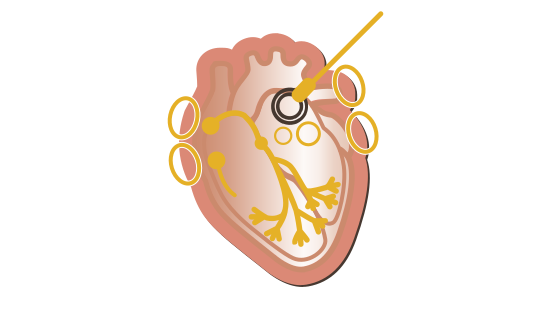
A minimally invasive procedure that uses heat or cold energy to treat atrial flutter by blocking the abnormal electrical signals causing the arrhythmia.
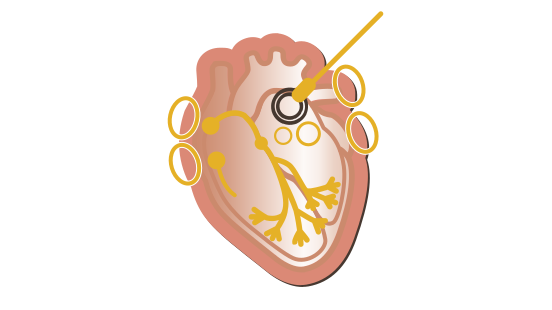
A procedure that treats atrial tachycardia by locating and eliminating the area of heart tissue causing abnormal electrical impulses.
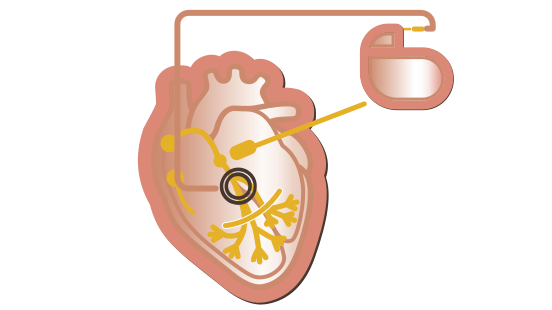
A procedure that controls rapid heart rhythms by interrupting electrical signals through the AV node, often used alongside a pacemaker.
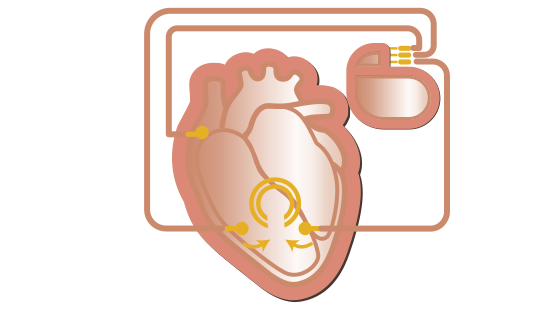
A specialist pacemaker treatment for people whose heart failure is made worse by a problem with the timing of the heartbeat. CRT uses carefully timed electrical signals to get both chambers working together again.
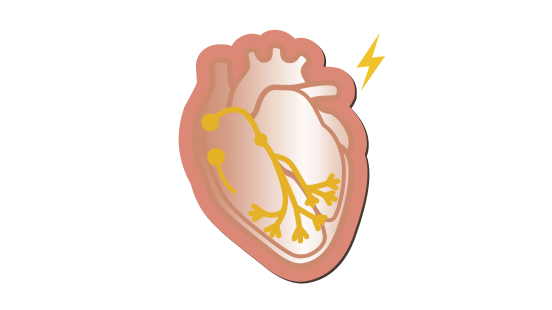
A procedure that restores a normal heart rhythm in patients with certain arrhythmias, either by delivering a controlled electrical shock to the heart or medications
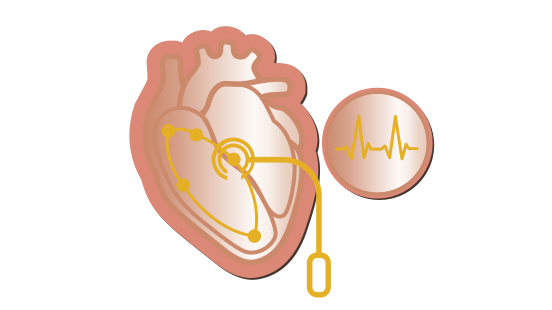
A diagnostic procedure that examines the heart's electrical activity to identify the cause of abnormal heart rhythms.
A treatment for hard-to-treat AF that works on the heart from both the inside and the outside, using normal ablation techniques with minimal surgery to fix the problem more completely.
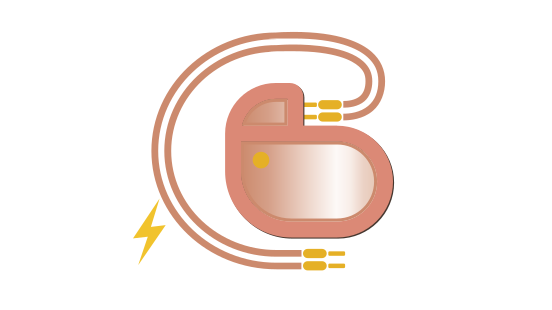
A small device that watches your heart rhythm around the clock. If it detects a life-threatening abnormal rhythm, it delivers a targeted electrical shock to restore a normal heartbeat.
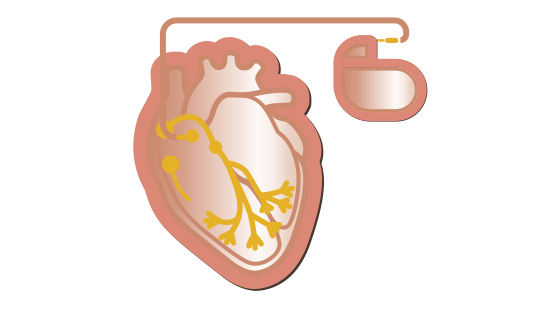
A small device that monitors your heart rate and sends gentle electrical pulses to keep your heart beating at a safe, steady rhythm.
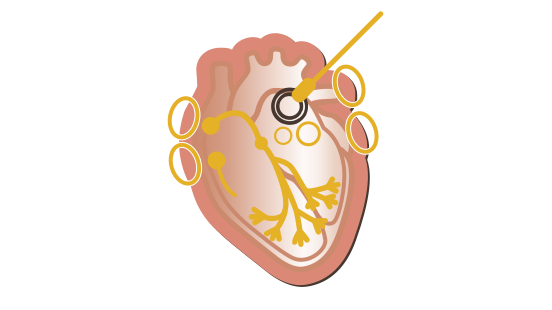
A procedure that treats SVT by targeting and eliminating the abnormal electrical pathway responsible for episodes of rapid heart rhythm.
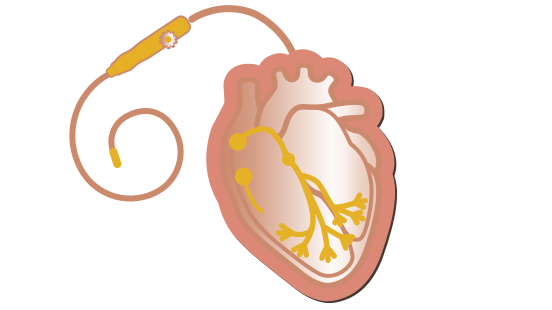
A specialist ultrasound scan that gives a very detailed view of your heart.
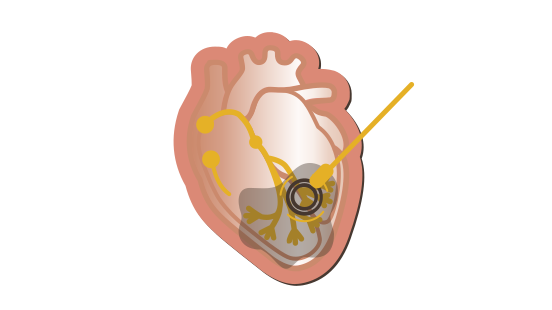
A specialist procedure that treats ventricular tachycardia by targeting the abnormal electrical circuits responsible for dangerous fast heart rhythms.