All treatments

Cardioversion

What is a cardioversion?

A cardioversion is a procedure that resets your heart's rhythm. When your heart beats in an irregular or abnormally fast pattern, it can leave you feeling exhausted, breathless, or dizzy. Over time, an untreated abnormal rhythm can also raise your risk of a stroke.

A cardioversion gives your heart's electrical system a controlled reset, with the aim of getting it back into a normal rhythm called sinus rhythm. There are two main types: electrical and chemical. Dr. Kaba will discuss both with you and recommend the one that is most appropriate for your situation.


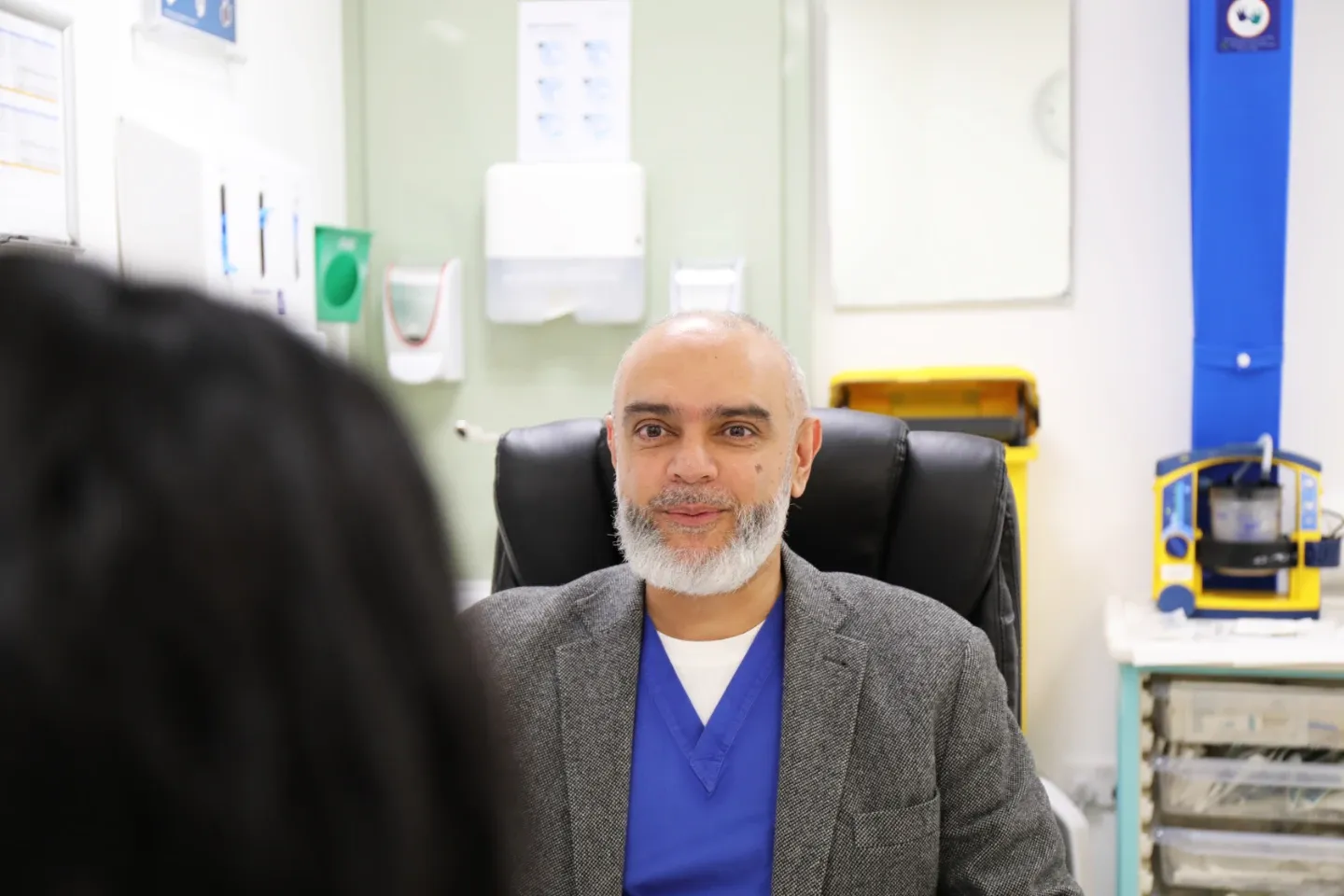
Dr Kaba in consultation

Who needs a cardioversion?

Most people who need a cardioversion have been diagnosed with one of the following:

  • Atrial fibrillation (AF) — an irregular, often fast heart rhythm affecting the upper chambers of the heart
  • Atrial flutter — a related condition where the upper chambers beat very fast but in a regular pattern
  • Other fast heart rhythms that have not returned to normal on their own

You might feel your abnormal rhythm strongly, a fluttering in your chest, shortness of breath, or feeling faint. Or you might have very few symptoms at all. Either way, restoring a normal rhythm is important for your long-term health.

How to prepare

Preparation is an important part of making your cardioversion as safe and effective as possible. Here is what you can expect:

  • Blood thinners: If you have AF, you need to have been taking blood thinners for at least four weeks before the procedure, or have had a specialist scan (a TOE) confirming no blood clot is present. This significantly reduces your risk of stroke. Dr. Kaba will review your blood thinners well in advance.
  • Fasting: You must not eat or drink (except water) for at least six hours before the procedure, as you will be given a sedative.
  • Medications: Some medications should be continued right up to the day; others may need to be paused. You will receive clear written instructions.
  • Escort: You will need someone to take you home. Because of the sedation, you must not drive for 24 hours after your appointment.

Electrical Cardioversion vs Chemical Cardioversion

Electrical Cardioversion

While you are lightly sedated and completely comfortable, Dr. Kaba delivers a precisely timed electrical shock through pads placed on your chest. This brief pulse of energy resets the heart's electrical activity. The whole procedure takes only a few minutes, and you will have no memory of it.

Electrical cardioversion is the most reliable and fastest method available. After a cardioversion, AF can return, sometimes within weeks or months, sometimes not for years. This is the nature of AF as a condition rather than a reflection of the procedure itself.

Chemical Cardioversion

In some cases, medication given through a drip or as a tablet can restore your heart's normal rhythm without the need for sedation. This is sometimes used when the abnormal rhythm is very recent, or when electrical cardioversion is not immediately the right choice. It takes longer and is less predictable, but it is a very reasonable option in the right circumstances.

What happens on the day

1

When you arrive, a nurse will check your observations, attach heart monitoring leads, and place a cannula in your arm for the sedative. Dr. Kaba will come and speak with you before the procedure starts.

2

Once you are sedated and comfortable, adhesive pads are placed on your chest and back. The electrical pulse takes a fraction of a second, and your heart usually responds immediately.

3

You will be monitored closely for around 30 to 60 minutes while the sedative wears off, then you will be able to go home.

4

The whole experience usually takes around two to three hours, though the procedure itself lasts only a few minutes.

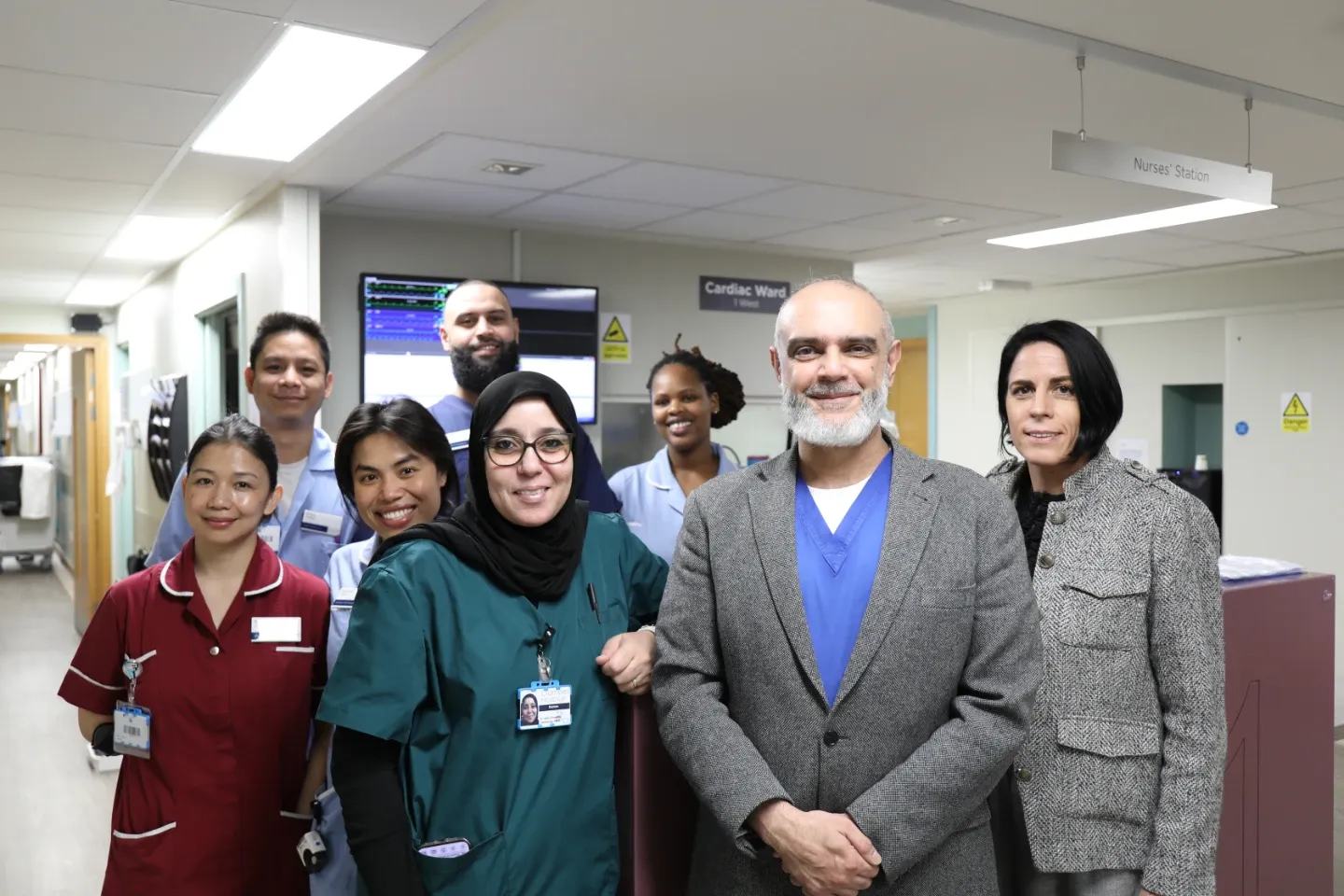
A diverse team of eight healthcare professionals pose together in a hospital corridor near a Cardiac Ward nurses' station. Staff wear a variety of scrubs and clinical uniforms.

Recovery and aftercare

Most people feel back to normal within a couple of hours of the procedure. Because of the sedation, you should plan to rest for the remainder of the day and avoid driving for 24 hours.

  • Blood thinners: You will need to continue these for at least four weeks after the procedure; and often longer, depending on your individual stroke risk.
  • Activity: You can usually return to normal activities the following day.
  • Follow-up: Dr. Kaba will arrange a follow-up appointment to review your heart rhythm and symptoms and discuss your ongoing management.

Risks and complications

Cardioversion is a very safe procedure. Serious complications are rare. The main risks to be aware of are:

  • Stroke — the most important risk, which is why careful use of blood thinnersbefore and after the procedure is so important. With appropriate preparation, this risk is very low.
  • Return of AF — as discussed above, AF can come back after a successful cardioversion.
  • Skin redness — some patients notice a small area of redness where the pads were placed. This usually settles within a day or two.
  • Failure to cardiovert — in a small number of cases, the shock does not restore a normal rhythm. We would then discuss alternative strategies with you.
  • Reaction to sedation — mild side effects such as nausea or brief confusion are uncommon but possible.

Dr. Kaba will talk through all of these with you in detail at your consultation before you sign a consent form.


Frequently
asked questions

No. You will be given a light sedative through a drip in your arm, so you will be completely unaware of the procedure. It is not a general anaesthetic. You will wake up quickly and feel comfortable. Most patients have no memory of the cardioversion at all.

The procedure itself takes only a few minutes. Including preparation and monitoring afterwards, you should expect to be with us for around two to three hours in total.

No. Because of the sedation, you must not drive for 24 hours. Please arrange for someone to accompany you and take you home.

No. In the vast majority of cases, cardioversion is a day-case procedure. You will go home the same day, usually within two to three hours of the procedure.

If a clot is found in the heart, your cardioversion will not go ahead that day. Dr. Kaba will adjust your blood thinners and arrange to rescan after a further period, usually four to six week. Once the clot has resolved and it is safe to proceed.

No. Because of the sedation, you must not drive for 24 hours. Please arrange for someone to collect you. If AF affects your ability to drive more broadly, Dr. Kaba will give you specific DVLA guidance.

Yes, for at least four weeks, and often longer depending on your individual risk profile. Blood thinners remain one of the most important parts of your care after a cardioversion, regardless of whether your rhythm stays normal.

There are several options. We can repeat the cardioversion, adjust your medications, or discuss a longer-term solution such as catheter ablation. Dr. Kaba will make sure you have a clear plan before you leave his care.

Why Dr Kaba

Why choose Dr Kaba for Cardioversion?

If you have been diagnosed with AF or another rhythm problem and want your cardioversion in experienced, expert hands, Dr. Kaba offers a complete service - from the first consultation through to follow-up - built around you.

  • Dr. Kaba has spent over 25 years caring for patients with heart rhythm disorders. He performs these procedures regularly, so you benefit from a level of skill and familiarity that only comes with high-volume specialist practice.
  • He trained in London and held a visiting professorship at Columbia University in New York. He has performed world-first and UK-first procedures, leads a research team at City St. George's, University of London, and has received awards from the European Society of Cardiology and the Heart Rhythm Society in the USA.
  • Patients come to see Dr. Kaba from across the UK, Europe, the Middle East, and Asia. He speaks several languages and takes the time to make sure you fully understand your condition, your options, and what to expect before, during, and after any procedure.
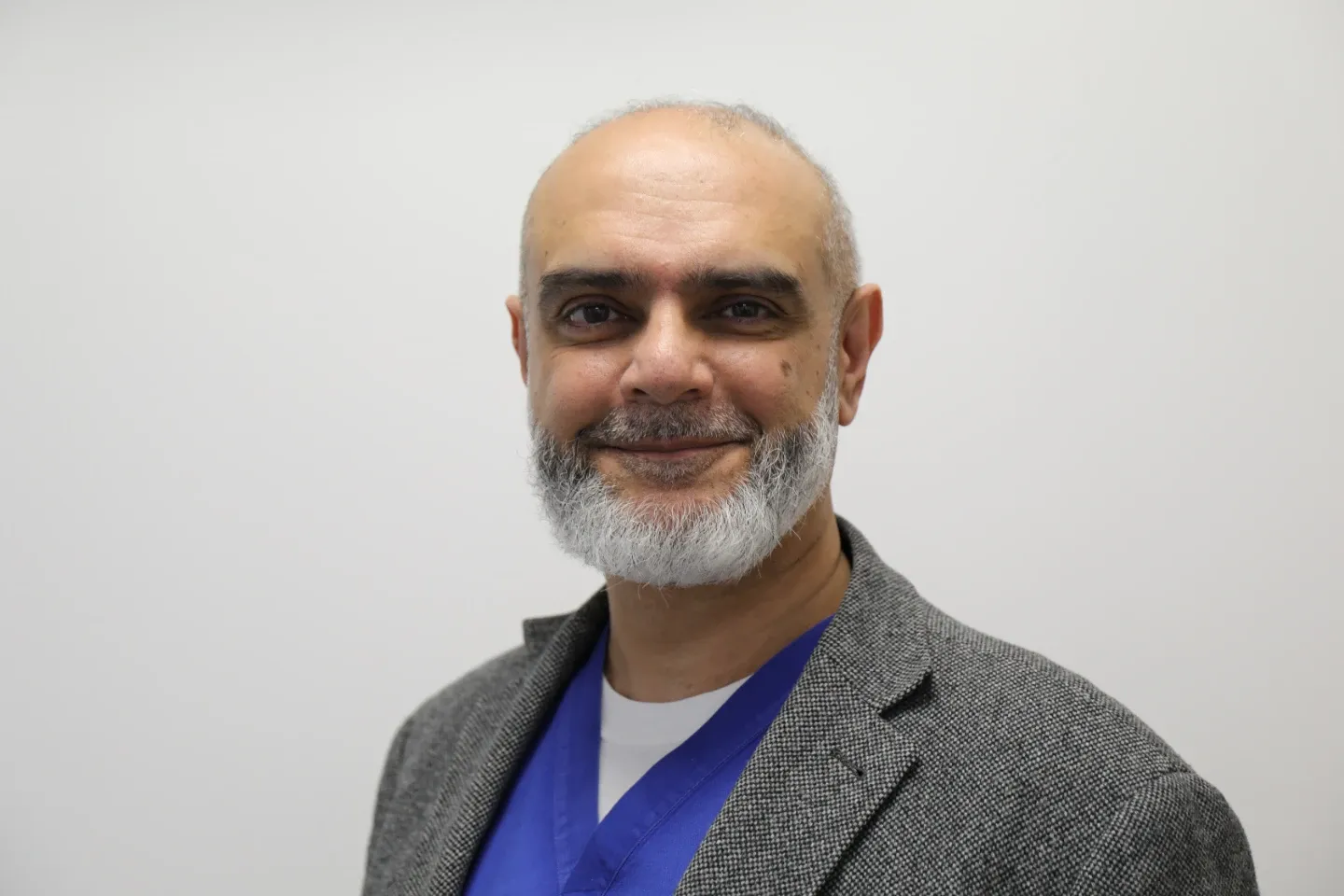
Portrait of Dr Kaba

What private care means for you

Private care gives you timely access to specialist cardiac expertise, clear communication at each step, and a personalised treatment pathway built around your clinical needs. You receive continuity of consultant-led care from initial assessment through to follow-up.