All treatments

Cardiac Resynchronisation Therapy

What is Cardiac Resynchronisation Therapy?

In a healthy heart, the left and right ventricles - the two main pumping chambers - squeeze at almost exactly the same moment. In some people with heart failure, a problem with the electrical system means one chamber contracts before the other. This is called electrical dyssynchrony, and it reduces how efficiently the heart pumps blood.

On an ECG, this shows up as a wider-than-normal electrical signal. Cardiac resynchronisation therapy (CRT) uses a device with leads in both ventricles to deliver carefully timed electrical pulses, restoring coordinated pumping and making the heart work more effectively as a result.

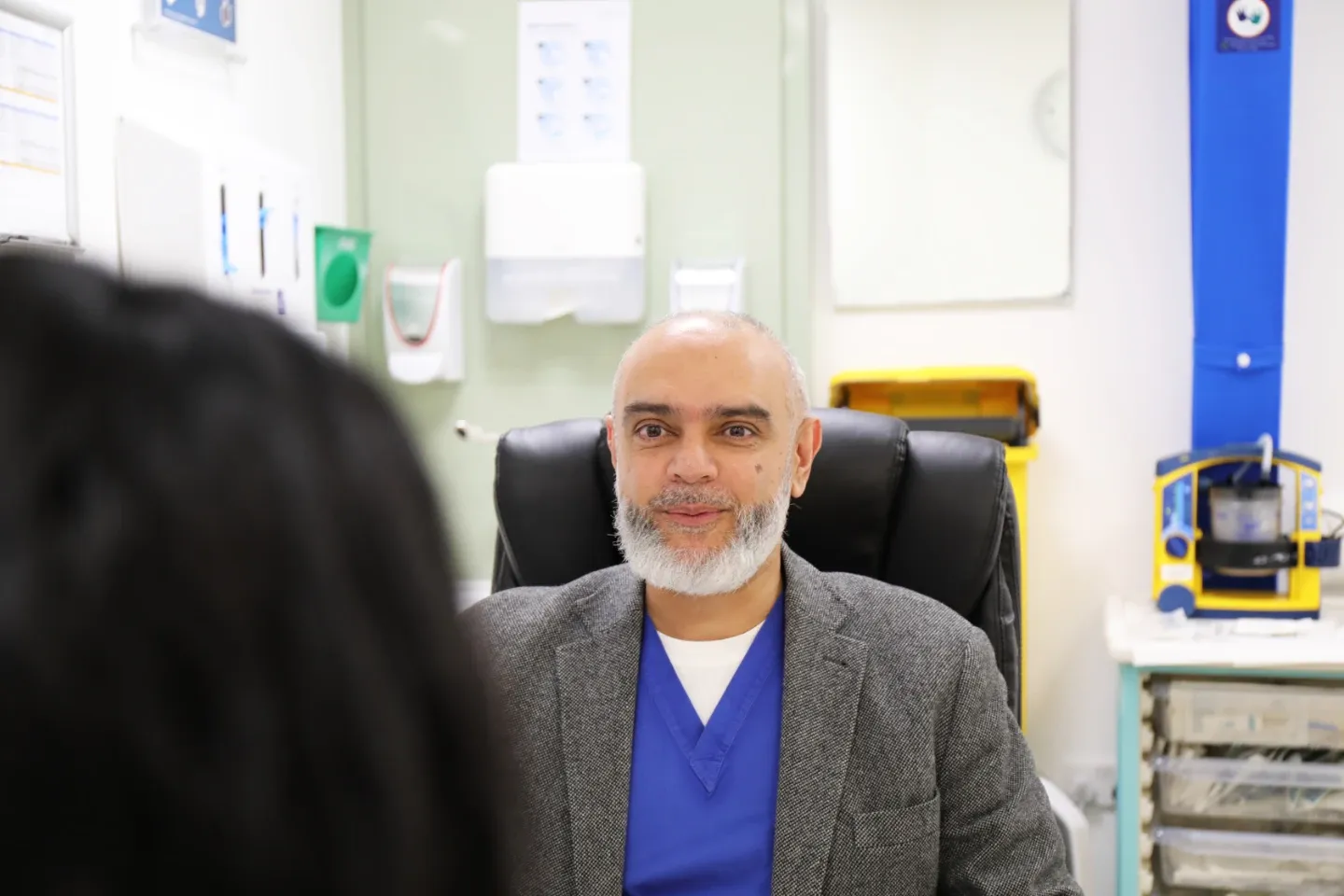
A male physician in blue scrubs and a grey blazer sits at a consultation desk in a clinical room, looking attentively toward a patient. A defibrillator and medical waste bin are visible behind him.

Who benefits from CRT?

CRT is recommended for patients who have all of the following:

  • Heart failure with a reduced ejection fraction (the heart's pumping strength is significantly below normal)
  • Symptoms of breathlessness or fatigue despite being on optimal medical treatment
  • A wide QRS complex on the ECG - indicating that the two ventricles are not beating in sync

Not everyone with heart failure will meet these criteria. Dr. Kaba will review your ECG, heart scans, and medical history carefully to determine whether CRT is the right option for you.

CRT-P vs CRT-D - which is right for you?

CRT-P (pacemaker only)

Provides resynchronisation therapy to improve the heart's pumping but does not have the ability to deliver a shock if a dangerous rhythm occurs.


CRT-D (with defibrillator)

Provides resynchronisation therapy and also includes an ICD function, so it can deliver a shock to restore a normal rhythm if needed.

The implant procedure

1

CRT implantation is carried out under local anaesthetic with sedation in a specialist cardiac catheter laboratory. You will be comfortable throughout.

2

Dr. Kaba makes a small incision below the collarbone and guides the leads through veins into their correct positions - one in each ventricle, and sometimes a third in the right atrium.

3

Positioning the left ventricular lead is the most technically demanding part of the procedure, as it must be placed precisely to achieve the best resynchronisation.

4

The device is then connected to the leads and placed in a small pocket beneath the skin.

5

The procedure typically takes two to four hours, depending on complexity. Most patients stay in hospital for one to two nights.

What improvement can you expect and when?

CRT does not work instantly for everyone. Some patients notice an improvement in breathlessness and energy within days or weeks of the implant. For others, the improvement comes more gradually over several months.

Clinical trials show that around two thirds of patients with the right selection criteria respond well to CRT, with meaningful improvements in symptoms, exercise capacity, and in some cases, heart strength. A smaller group (called super-responders) see remarkable recovery in heart function.

If the device is working well and your symptoms are improving, Dr. Kaba may adjust your medications over time as the heart strengthens.


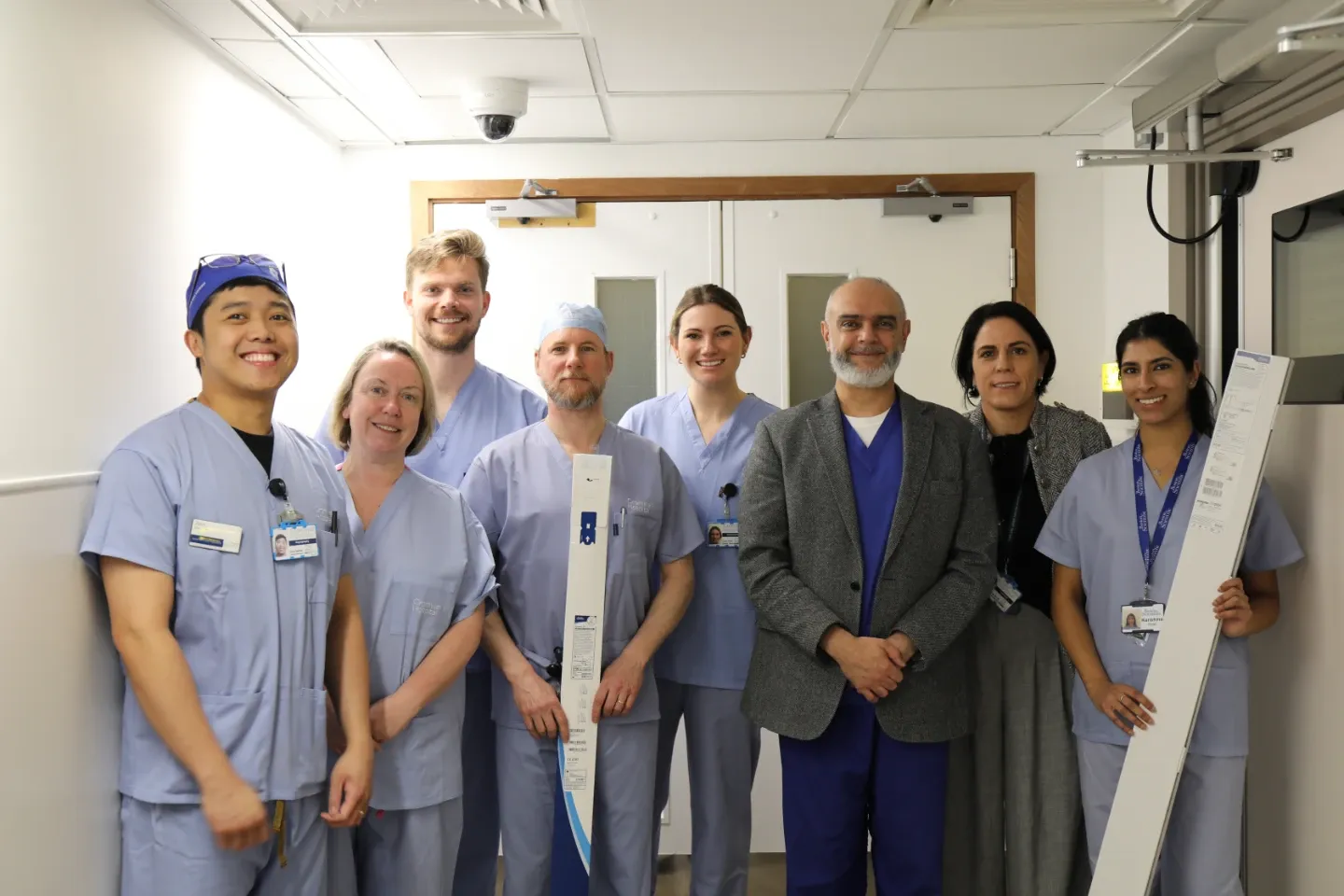
ight healthcare professionals in surgical scrubs and clinical attire pose in a hospital corridor near double doors. Two members hold elongated medical device packaging. One clinician wears a surgical cap.

Device optimisation and follow up

Getting the most out of CRT requires careful follow-up. The device's timing settings can be adjusted - a process called device optimisation - to make sure the two ventricles are contracting in the most effective pattern for your heart. This is done during clinic visits and may be refined over the first months after implantation.

Your device will also be monitored remotely, with data transmitted wirelessly to Dr. Kaba's team. This allows potential issues to be picked up early without needing to come in unnecessarily.

Recovery and lifestyle

The recovery after CRT implantation is similar to that of a standard pacemaker. You will have a wound below your collarbone that takes around two weeks to heal. Keep it clean and dry.

In the first four to six weeks, avoid raising your arm on the side of the implant above shoulder height, as this can dislodge the leads while they are settling into position. After this period, most activities can be resumed.

Regular follow-up appointments are important to monitor both your device and your heart failure management. Dr. Kaba will coordinate this closely with you

Risk and complications

CRT is a well-established procedure. The main risks include:

  • Difficulty placing the left ventricular lead - this lead must pass through a vein on the back of the heart and can sometimes be technically challenging to position. In rare cases, an alternative approach may be needed.
  • Lead dislodgement - the leads can occasionally move in the first few weeks, requiring repositioning.
  • Infection - uncommon but serious. Requires antibiotics and potentially device removal.
  • Pneumothorax - a small risk when passing leads through the vein near the collarbone.
  • Non-response - not all patients respond as hoped to CRT. Dr. Kaba will monitor your progress carefully and adjust the treatment plan if needed.

Frequently
asked questions

Most patients who respond well notice an improvement in how breathless they feel with everyday activities. Dr. Kaba will monitor your progress with clinic visits, remote monitoring, and periodic heart scans to assess whether the heart's function is improving.

CRT device batteries typically last between eight and twelve years, depending on how much pacing the device delivers. When the battery needs replacing, Dr. Kaba will change the generator in a straightforward procedure that usually does not require the leads to be changed.

In most cases, yes - at least initially. If CRT improves your heart function significantly, Dr. Kaba may review your medications over time. Some patients who respond very well find their medication burden reduces as their heart strengthens.

Yes. Gentle, regular exercise is encouraged and can help with your recovery. Dr. Kaba will give you specific guidance on what is appropriate for your situation and how to build up activity safely.

A standard pacemaker prevents the heart from beating too slowly. CRT does that too, but it also re-coordinates the timing of the heart's pumping chambers, improving how efficiently the heart works. CRT is specifically designed for people with heart failure and electrical dyssynchrony

This depends on your individual risk of life-threatening heart rhythms. Dr. Kaba will discuss this with you in detail based on your heart function, your diagnosis, and your personal circumstances.

Why Dr Kaba

Why choose Dr Kaba for Cardiac Resynchronisation Therapy?

CRT requires precise lead placement and ongoing optimisation, both areas where Dr. Kaba's extensive procedural experience and specialist knowledge of heart failure rhythms make a genuine difference to outcomes.

  • Dr. Kaba has spent over 25 years caring for patients with heart rhythm disorders. He performs these procedures regularly so you benefit from a level of skill and familiarity that only comes with high-volume specialist practice.
  • He trained in London and held a visiting professorship at Columbia University in New York. He has performed world-first and UK-first procedures, leads a research team at City St. George's, University of London, and has received awards from the European Society of Cardiology and the Heart Rhythm Society in the USA.
  • Patients come to see Dr. Kaba from across the UK, Europe, the Middle East, and Asia. He speaks several languages and takes the time to make sure you fully understand your condition, your options, and what to expect before, during, and after any procedure.
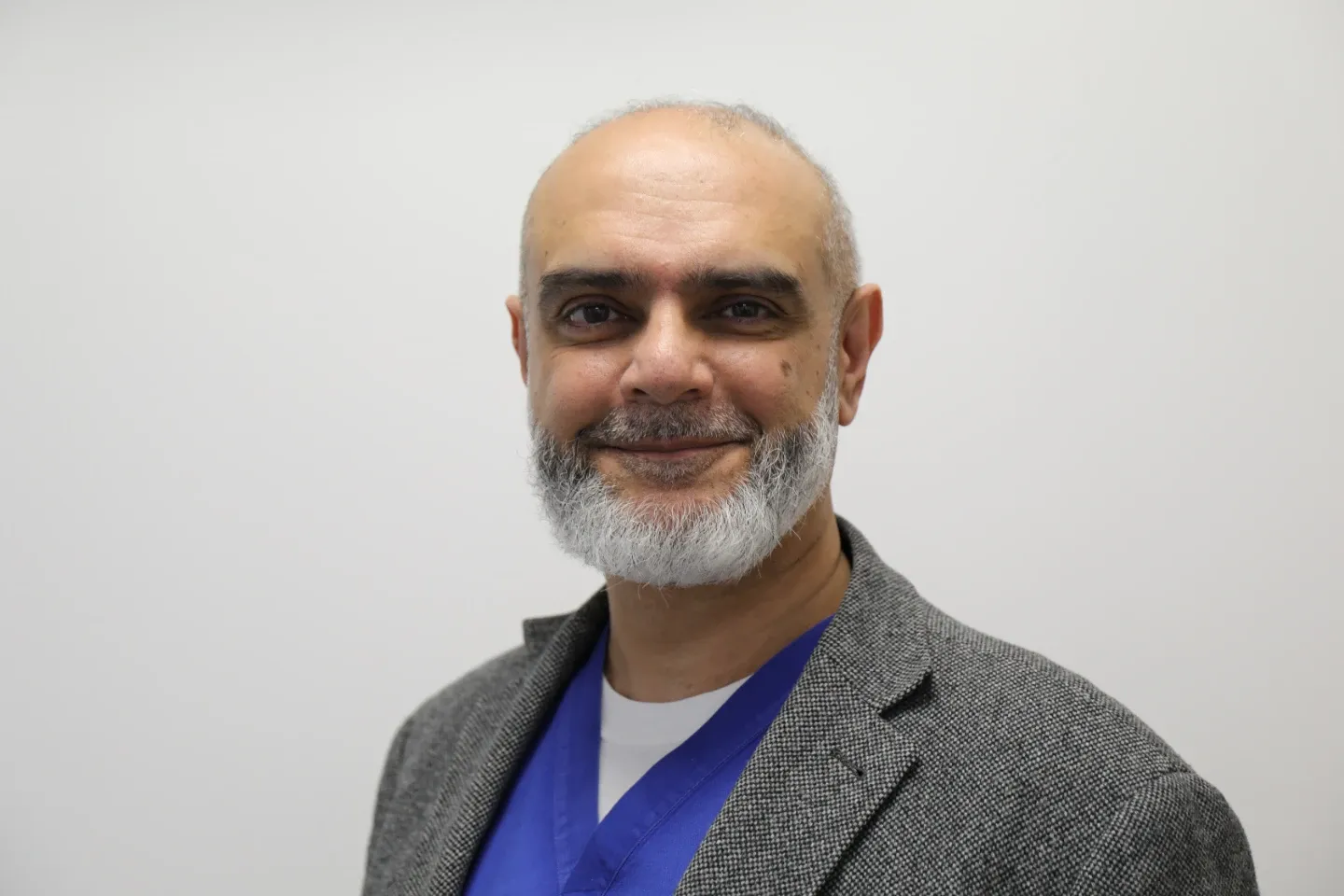
Portrait of Dr Kaba

What private care means for you

Private care gives you timely access to specialist cardiac expertise, clear communication at each step, and a personalised treatment pathway built around your clinical needs. You receive continuity of consultant-led care from initial assessment through to follow-up.