

Yes. Once the AV node is ablated, your heart's lower chambers rely on the pacemaker to maintain a regular heartbeat. This is a permanent change. Dr. Kaba will make sure you fully understand this before you make any decision about proceeding.
The atrioventricular (AV) node is a small cluster of specialised cells that acts as the electrical bridge between the upper and lower chambers of the heart. In patients with AF or rapid atrial rhythms, fast and irregular signals travel through the AV node and drive the ventricles to beat rapidly. This is what causes many of the symptoms of AF.
AV node ablation uses targeted energy to permanently destroy this electrical bridge. Once the AV node is ablated, the fast atrial signals can no longer reach the ventricles. A permanent pacemaker - implanted before or at the time of the ablation- then takes over to deliver a steady, controlled heartbeat.
During the procedure, thin, flexible wires are passed through a vein in the groin and guided to the site of the AV node using advanced imaging. A brief, precisely targeted application of energy permanently blocks conduction through the node
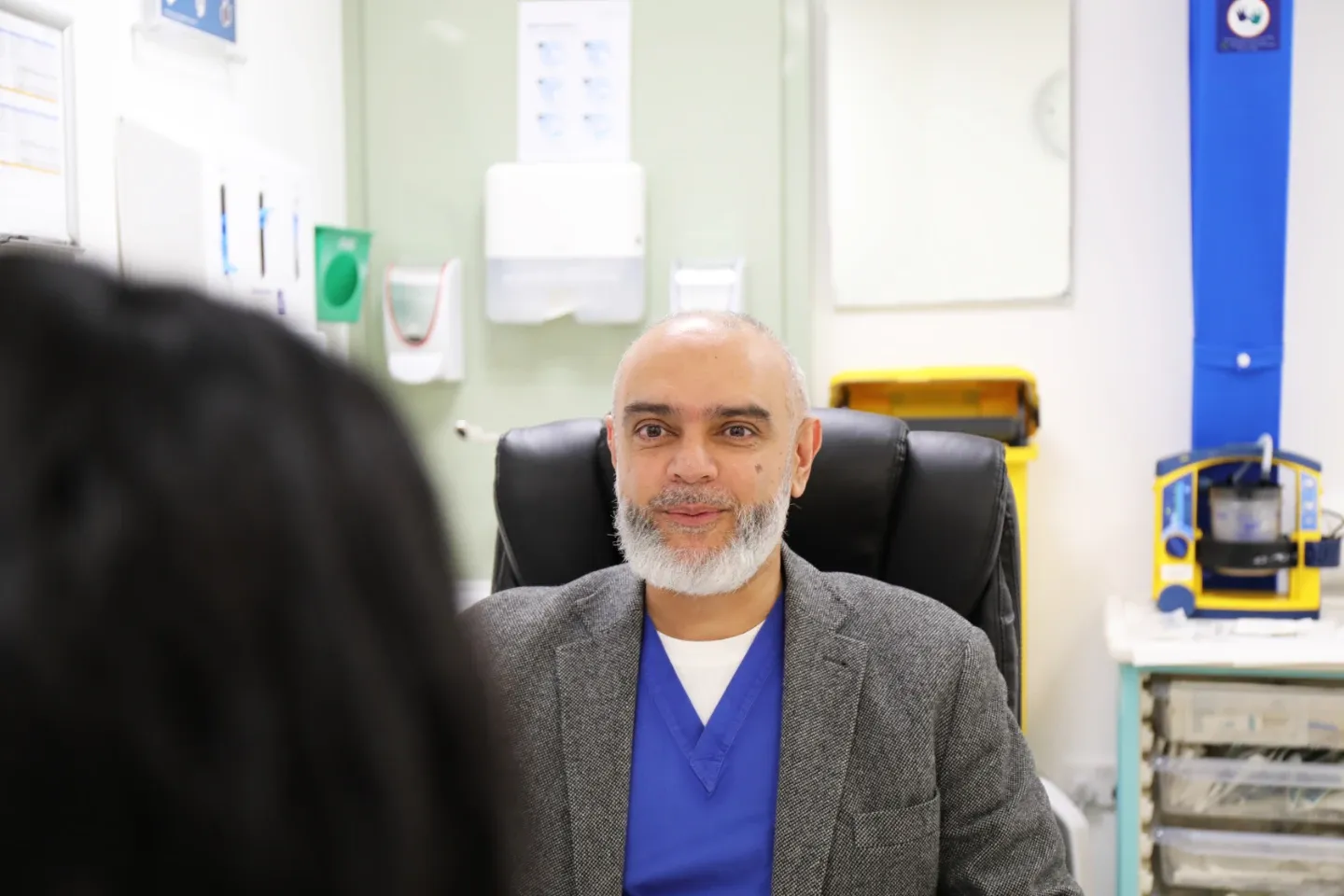
A pacemaker must be in place before AV node ablation is performed. If you do not already have one, pacemaker implantation will be planned first - usually a few weeks beforehand. You will have a full consultation and pre-procedure assessment, including a review of your symptoms, medications, and heart function. Blood thinners should generally be continued - Dr. Kaba's team will give you specific guidance.
AV node ablation is carried out in a specialist cardiac catheter laboratory under local anaesthetic with sedation. The ablation procedure itself typically takes less than one hour and is technically straightforward. You will be monitored closely throughout.
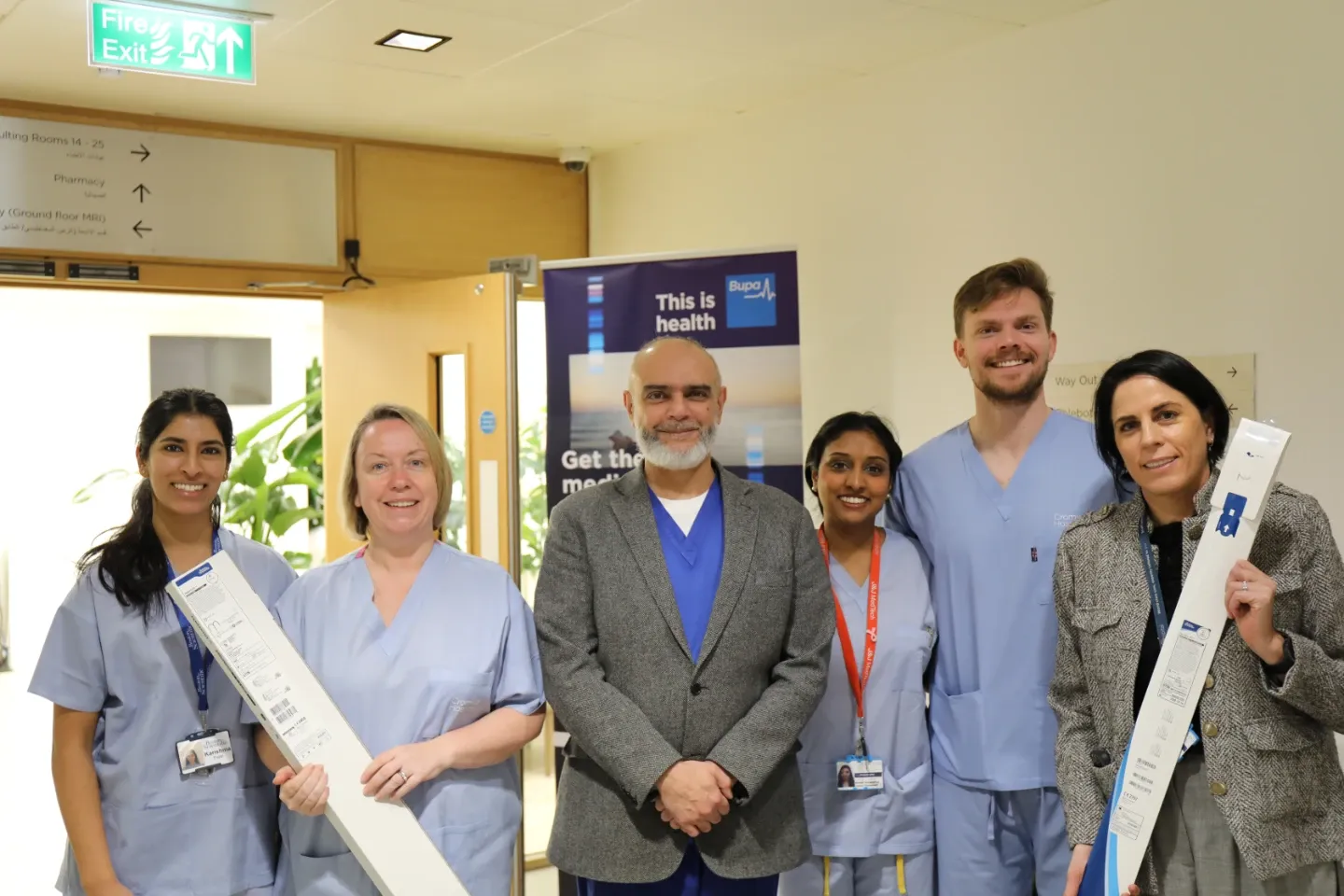
Most patients stay in hospital overnight following the procedure. After AV node ablation, you will be pacemaker-dependent meaning your heart will rely on the pacemaker to maintain your heartbeat. This is a permanent change, and Dr. Kaba will explain clearly what this means for your day-to-day life before proceeding. Regular pacemaker check-ups will be arranged as part of your ongoing care.
Most people notice a significant improvement in symptoms - particularly breathlessness and fatigue - within days to weeks of the procedure.
AV node ablation is one of the most reliably effective procedures in cardiac electrophysiology. It achieves permanent, complete rate control in virtually all patients, regardless of how difficult the atrial rhythm has been to manage with medication. The European Society of Cardiology recommends it as a treatment option for patients with AF and uncontrolled ventricular rate where other strategies have failed.
AV node ablation may be recommended if you have:
AV node ablation is a permanent and irreversible procedure. It makes you pacemaker-dependent for life. This is a carefully considered decision, and Dr. Kaba will take as much time as you need to make sure you fully understand the implications and feel confident before proceeding.
The AV node ablation itself is technically straightforward and carries a low risk of complications. The main consideration is the permanent nature of the outcome.
Other risks include:
Yes. Once the AV node is ablated, your heart's lower chambers rely on the pacemaker to maintain a regular heartbeat. This is a permanent change. Dr. Kaba will make sure you fully understand this before you make any decision about proceeding.
No. The underlying AF and its abnormal rhythm in the upper chambers continue. AV node ablation prevents the fast atrial signals from reaching the lower chambers - so you feel better because your ventricular rate is controlled - but it does not stop AF itself.
After AV node ablation, the pacemaker controls the rate of your lower chambers. The upper chambers still have AF. The pacemaker ensures your heart beats at a safe, steady rate regardless of what is happening in the atria.
Modern pacemakers are extremely reliable. The battery is monitored continuously through remote checks, and you will always be told well in advance when a generator change is needed. If a pacemaker were to malfunction suddenly - which is very rare - there is usually a brief backup rhythm from the heart itself, but emergency attention would be needed.
For most patients, yes. Modern rate-responsive pacemakers can adjust your heart rate to match your level of activity, so many people find their exercise capacity improves significantly after AV node ablation. Dr. Kaba will programme your device to suit your lifestyle.
Yes. Even though your symptoms improve, the AF in the upper chambers continues and so does the associated stroke risk. Blood thinners (anticoagulants) need to be continued long-term based on your stroke risk profile.
Yes. AV node ablation cannot be undone. Once the AV node is destroyed, the electrical connection between the upper and lower chambers is permanently broken. Dr. Kaba will not proceed until he is confident you fully understand and are comfortable with this.
Why Dr Kaba
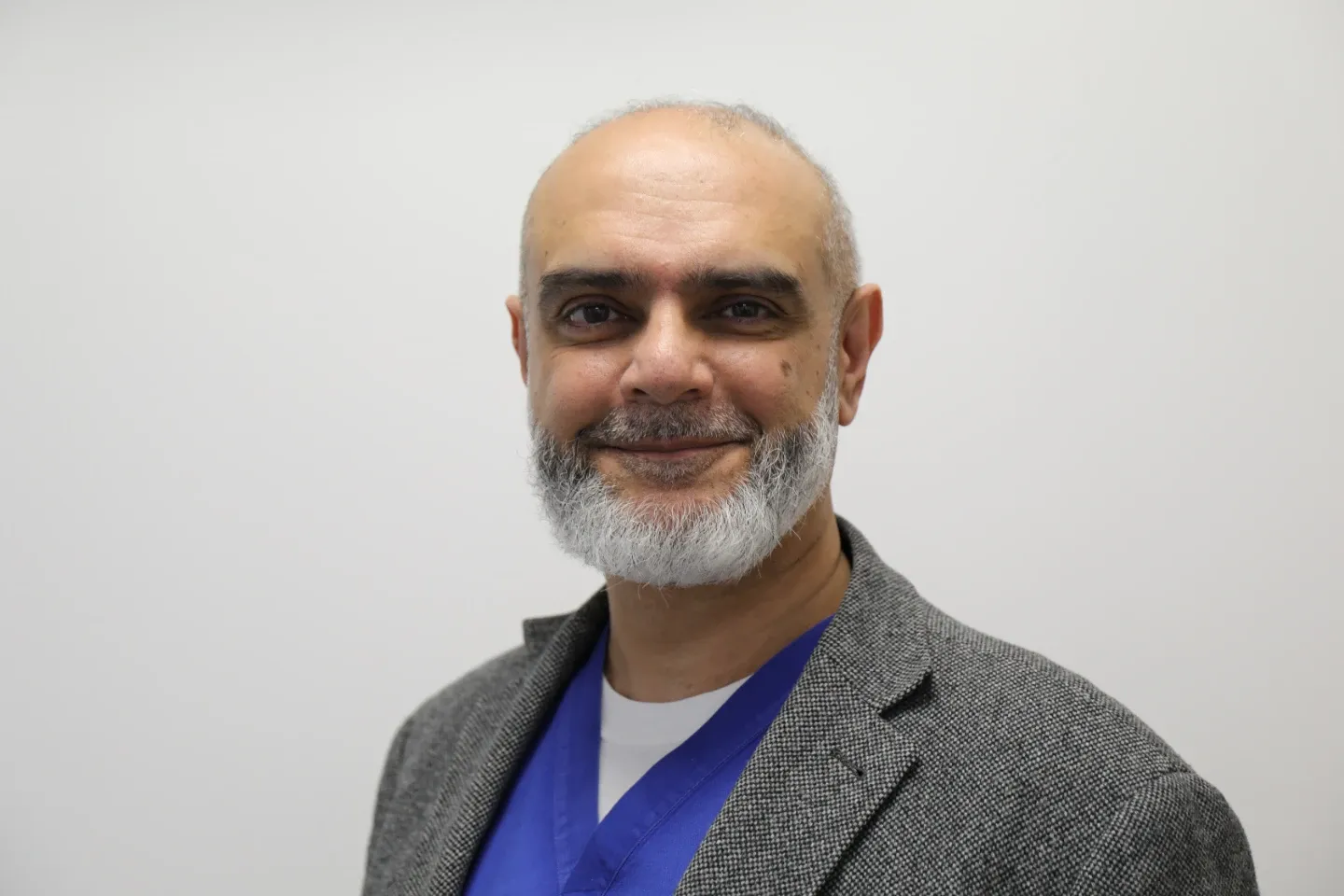
AV node ablation is a permanent decision that needs to be made with full understanding of the implications. Dr. Kaba takes the time needed to make sure you feel completely informed and at ease before proceeding - and follows your pacemaker care closely long after the procedure.
Session windows are published by area. Tap a session to book—exact venue details are shared after you confirm.
Full session times & locationsUrgent appointments can be made via WhatsApp or by calling our clinic on 07516004491.
Private care gives you timely access to specialist cardiac expertise, clear communication at each step, and a personalised treatment pathway built around your clinical needs. You receive continuity of consultant-led care from initial assessment through to follow-up.